


There is a quiet revolution happening in contemporary interior design, and it involves bringing back an old-world detail with a fresh, minimalist twist. Decorative wall molding, once reserved for grandiose historic estates and formal parlors, has found its way into modern apartments, suburban homes, and even industrial lofts. What makes this resurgence so compelling is how designers have reimagined this classic element to suit today’s aesthetic sensibilities. Rather than the heavily ornate, gilded frames of centuries past, modern wall molding embraces clean lines, geometric patterns, and subtle dimensionality that adds visual interest without overwhelming a space. The magic lies in its ability to create structure on empty walls, offering a sense of intentional design that feels both curated and comfortable. Whether you live in a sleek city high-rise or a cozy craftsman bungalow, incorporating decorative molding allows you to introduce architectural detail that might otherwise be missing, transforming bland drywall into something that genuinely feels designed.
The Shift From Ornate to Understated Elegance
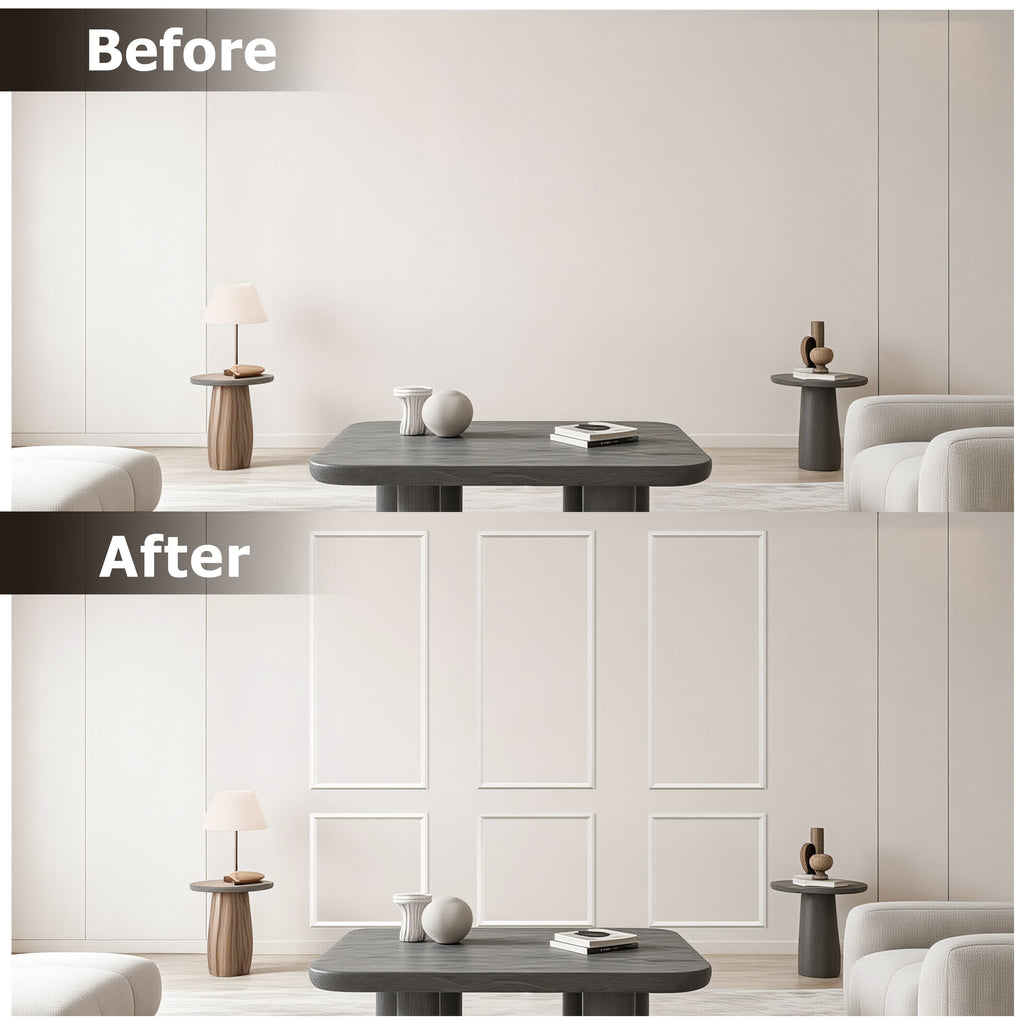
If you flip through design magazines from just a decade ago, you might notice a distinct preference for heavily textured walls and bold, saturated colors. Today’s modern interiors, however, have shifted toward a more refined sensibility where restraint speaks volumes. This evolution has directly influenced how decorative wall molding is being used in contemporary homes. Instead of intricate floral patterns and multiple layers of trim, modern applications favor simplified profiles and strategic placement. The focus is on creating shadow lines and subtle depth rather than pronounced ornamentation. A single, well-proportioned panel molding around a dining area or a series of clean rectangles climbing a stairwell wall can achieve more visual impact than fussier alternatives. This understated approach allows the molding to complement rather than compete with other design elements, whether that’s a sculptural piece of furniture, a dramatic light fixture, or simply the beautiful play of natural light throughout the day. The result is an elegance that doesn’t try too hard, which is perhaps the defining characteristic of truly modern design.
Creating Visual Rhythm and Proportion
One of the most powerful tools in a designer’s arsenal is the ability to create visual rhythm, and decorative wall molding accomplishes this with remarkable efficiency. When you install molding in a thoughtful pattern across a wall, you are essentially composing a visual melody that guides the eye through the space. The spacing between panels, the height at which they are placed, and their relationship to windows and doorways all contribute to how a room feels. In modern interiors, this often translates to asymmetrical arrangements that feel more dynamic than traditional grid layouts. You might place a tall, vertical panel beside a grouping of smaller squares, or run molding from floor to ceiling to emphasize soaring proportions. This rhythmic quality also helps establish scale within a room. In a large, open-concept living area, generously sized panels can make the space feel grounded and intentional. Conversely, in a smaller room, narrower profiles placed slightly higher on the wall can create the illusion of greater height and openness. Getting these proportions right transforms a simple decorative treatment into an integral part of the room’s architecture.
Materials That Bridge Tradition and Innovation
The world of decorative wall molding has expanded far beyond the traditional wood options that once dominated the market, and this evolution has been a game-changer for modern interior design. Today’s materials allow for applications and finishes that would have been impractical or impossible just a generation ago. High-density polyurethane and polymer moldings have emerged as favorites among designers and homeowners alike, offering exceptional durability while maintaining crisp details that rival hand-carved wood. These materials resist moisture, making them suitable for bathrooms and kitchens where traditional wood might warp or deteriorate over time. They are also remarkably lightweight, which simplifies installation and reduces the structural demands on your walls. For those seeking ultra-modern applications, flexible molding materials now make it possible to create curved features and rounded corners that soften contemporary spaces. Additionally, the smooth surface of these modern materials accepts paint beautifully, allowing for seamless integration with your wall color or bold contrasting statements. This material innovation means you’re no longer limited by the practical constraints that once dictated where and how molding could be used.
Color Strategies for Contemporary Spaces
Perhaps the most exciting aspect of working with decorative wall molding in modern interiors is the creative freedom it offers with color. While traditional applications almost always featured white molding against colored walls, contemporary design encourages experimentation with more nuanced approaches. The tonal approach, where molding is painted the exact same color as the wall, has gained tremendous popularity for good reason. This technique creates subtle texture and shadow play without introducing contrast, resulting in a sophisticated, monolithic appearance that feels thoroughly modern. It allows the dimensional qualities of the molding to speak for themselves, catching light differently throughout the day as the sun moves across your room. For those seeking something bolder, consider painting the recessed areas within panel molding a deeper shade than the surrounding wall, creating dramatic depth that draws the eye inward. Some designers are even experimenting with high-gloss finishes on molding against matte walls, playing with light reflection in unexpected ways. The color strategy you choose fundamentally shapes the mood of the space, from serene and understated to dramatic and provocative.
Integrating Molding With Modern Furniture
A common concern among homeowners considering decorative wall molding is whether it will feel appropriate alongside their contemporary furniture. The answer, when executed thoughtfully, is a resounding yes. The key lies in viewing molding as a backdrop rather than a competing element. Modern furniture, with its clean lines and sculptural forms, actually benefits from the structure that wall molding provides. A low-profile sectional or a minimalist platform bed gains context when placed against a wall with thoughtfully arranged panels. The molding creates a frame that showcases your furnishings rather than overwhelming them. Consider how a simple panel behind a console table can transform that vignette into a curated display, or how vertical moldings flanking a bed can emphasize its position as the room’s focal point. The relationship between your furniture and your wall treatment should feel intentional, with each enhancing the other. This might mean aligning panel heights with furniture pieces or using molding to create rhythm that echoes the lines of your sofas and cabinetry. When this relationship works, the room achieves a cohesiveness that feels effortlessly designed.
Lighting Techniques to Enhance Dimensionality
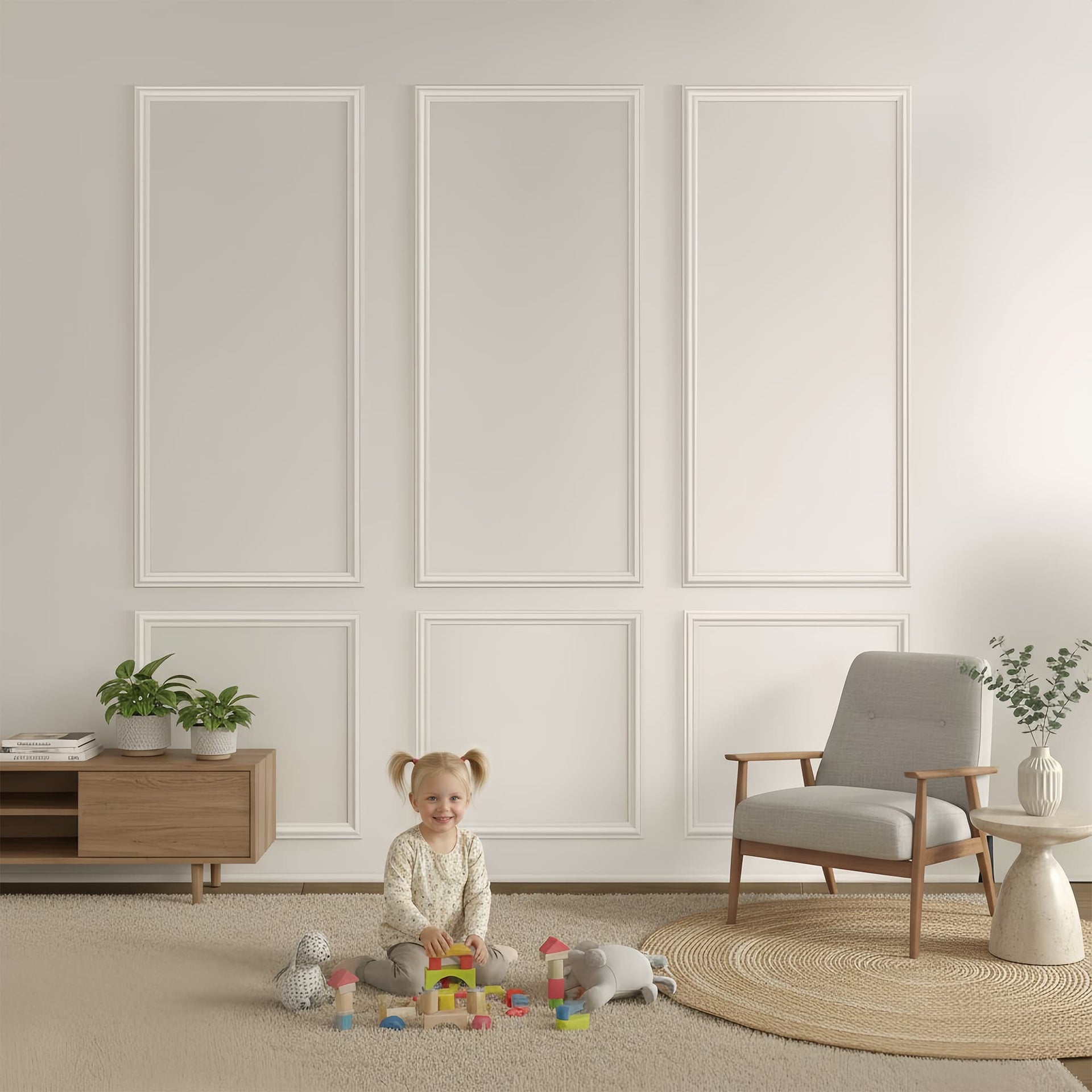
Lighting and decorative wall molding share a symbiotic relationship that thoughtful designers are quick to exploit. The dimensional quality of molding creates natural opportunities for light to interact with your walls in ways that flat surfaces simply cannot achieve. During the day, sunlight streaming through windows casts evolving shadows across panel edges, creating a living artwork that changes hourly. At night, artificial lighting becomes your tool for sculpting these architectural details. Picture lights directed upward or downward across a paneled wall create dramatic shadow lines that emphasize depth and texture. Even standard overhead lighting, when combined with the right molding profile, can produce interesting highlights on the raised edges of trim. For those looking to make a bolder statement, integrating LED strip lighting within the recesses of panel molding creates a glowing effect that feels distinctly contemporary. This technique works particularly well in media rooms or as accent lighting in hallways. The interplay between light and shadow transforms wall molding from a static decorative element into an active participant in the room’s atmosphere, constantly shifting and revealing new dimensions throughout the day.
Balancing Openness With Architectural Interest
One of the perpetual challenges in modern interior design is creating spaces that feel both open and interesting. Minimalism, when taken to an extreme, can sometimes result in rooms that feel sterile or incomplete. Decorative wall molding offers an elegant solution to this dilemma by adding architectural interest without cluttering the visual field. Unlike furniture or accessories, which occupy floor space and require constant editing, molding works within the existing planes of your room to create richness and complexity. This allows you to maintain the open, breathable quality that modern design prizes while introducing the kind of detail that makes a space feel layered and lived-in. A single wall treated with panel molding can anchor an entire room, providing enough visual weight that surrounding walls can remain completely bare. This selective approach to application respects the modernist principle that less is often more, while acknowledging that “less” doesn’t have to mean “nothing.” The result is a space that feels simultaneously spacious and intentional, open yet undeniably designed.


