


Luxury in interior design is often defined by details—the subtle elements that transform a room from merely functional to genuinely exceptional. Among the most enduring of these details is decorative wall molding, a design feature that has graced the finest homes for centuries. From the ornate salons of Paris to the grand estates of London, molding has signified craftsmanship, attention to detail, and timeless elegance. Today, achieving this level of sophistication no longer requires commissioning master carpenters or sourcing antique materials. Modern interpretations of decorative wall molding bring luxury within reach of discerning homeowners, offering the same visual impact and refined aesthetic that has defined elegant interiors throughout history, now adapted for contemporary lifestyles and installation methods.
The Language of Molding: Types and Terminology
Understanding the vocabulary of wall molding helps homeowners communicate their vision and appreciate the options available. Baseboards, the broad moldings where walls meet floors, provide foundational elegance while protecting walls from impacts. Chair rails, historically installed to prevent chair backs from damaging walls, now serve primarily as visual dividers that add horizontal interest. Picture rails, positioned near ceilings, offer practical hanging solutions while creating distinct wall zones. Crown molding graces the junction of walls and ceiling, adding grandeur and concealing imperfect transitions. Panel molding creates geometric patterns on wall surfaces, ranging from simple squares to elaborate grids. Each type contributes differently to a room’s character, and combining them thoughtfully produces layered, sophisticated results that define luxury interiors.

Materials That Define Quality
The materials chosen for decorative molding significantly influence both appearance and longevity. Traditional wood remains beloved for its warmth and authenticity, with options ranging from economical pine to luxurious oak and mahogany. Each wood species offers distinct grain patterns and accepts stains differently, allowing customization from casual to formal. High-density polyurethane has emerged as a premium alternative, offering exceptional durability, moisture resistance, and dimensional stability while faithfully reproducing intricate details that would require hand-carving in wood. Flexible polymer moldings accommodate curved walls, enabling designs impossible with rigid materials. Plaster, while labor-intensive, provides unparalleled detail reproduction for historic renovations. The material choice sets expectations for maintenance, durability, and aesthetic character, making it one of the most consequential decisions in any molding project.
Design Styles Across the Centuries
Decorative molding has evolved alongside architectural preferences, creating a rich vocabulary of styles available to today’s designers. Classical profiles draw from Greek and Roman traditions, featuring egg-and-dart patterns, acanthus leaves, and other motifs that convey timeless sophistication. Victorian era moldings embrace ornamentation and complexity, with layered profiles and elaborate corner details that create maximalist drama. Arts and Crafts styling reacts against excess with clean lines, geometric patterns, and honest expression of materials. Mid-century modern approaches strip molding to essential lines, using simple reveals and minimal profiles that complement open floor plans. Contemporary designs experiment with scale and placement, using oversized moldings or unexpected configurations to create bold statements. This stylistic range ensures that molding appropriate for any architectural context exists, from faithfully restored period homes to boldly modern constructions.
Creating Focal Points and Visual Interest
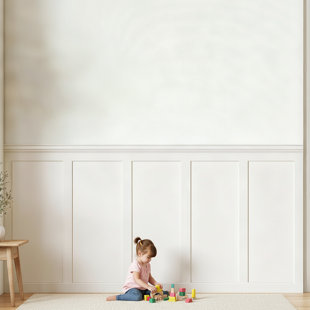
Beyond their traditional roles, decorative moldings serve as powerful tools for directing attention and creating visual hierarchy within spaces. A single wall treated with panel molding becomes an instant focal point, anchoring a room’s design without requiring artwork. Symmetrical grid patterns behind a bed establish formality in bedrooms. Asymmetrical arrangements in living rooms add contemporary edge while maintaining elegance. Framing a fireplace with molding elevates it from functional element to architectural centerpiece. Extending molding to create alcoves or niches provides display space for art or objects. The interplay of raised surfaces and recessed panels catches light throughout the day, creating ever-changing shadows that animate otherwise static walls. This dynamic quality distinguishes thoughtfully designed interiors from merely decorated ones.
Color Strategies for Maximum Impact
The relationship between molding and wall color fundamentally determines a room’s character. Monochromatic schemes, where molding shares the wall color, create subtle texture and depth without contrast—ideal for serene, sophisticated spaces where molding whispers rather than announces. Contrasting schemes, with white or light molding against darker walls, dramatize architectural lines and create graphic definition that energizes rooms. Gilding and metallic finishes on molding introduce opulence, catching light and adding warmth. Two-tone approaches, with different colors for field and molding, create deliberate complexity that rewards close viewing. The finish matters equally—high-gloss sheens emphasize detail and reflect light, while matte finishes integrate molding more seamlessly with wall surfaces. Experimenting with color relationships on sample boards before committing prevents disappointment and ensures the final result achieves the intended effect.
Integrating Molding with Lighting
Thoughtful lighting transforms decorative molding from static feature to dynamic element of interior design. Cove lighting installed above crown molding creates ambient glow that visually lifts ceilings and adds warmth. Picture lights directed at panel molding emphasize its three-dimensional qualities after dark. LED strips concealed within molding profiles create dramatic silhouettes and modern edge lighting effects. Uplighting from floor fixtures grazing wall molding produces dramatic shadows that change with viewer position. Downlighting from ceiling fixtures casts shadows that shift throughout the day, keeping spaces visually interesting. The integration of molding and lighting requires planning during installation—provisions for wiring, appropriate placement of fixtures, and consideration of how different light sources interact with profiles and finishes. Well-executed, this combination elevates both elements, creating interiors that reward attention at any hour.
Professional Installation Versus DIY Considerations
The decision between professional installation and DIY approach depends on project complexity, personal skill, and desired outcome. Simple installations—single walls, basic profiles, straightforward layouts—fall within reach of experienced DIYers, particularly with modern adhesive systems and pre-finished materials. Complex projects involving multiple room integration, curved walls, elaborate corner details, or historic matching demand professional expertise. The investment in professional installation often pays dividends in flawless execution, proper proportioning, and seamless integration with other architectural elements. Many homeowners find a hybrid approach works best—professional design consultation and complex work, with simpler installations handled personally. However the work proceeds, the result transforms ordinary spaces into environments of character and refinement, adding value that endures through changing décor trends and ownership changes.


