


There is a moment every dancer recognizes: the quiet sigh of relief when you finally kick off a pair of shoes that have been torturing your feet all rehearsal. That moment should not be part of your dance routine. Suphini builds handmade dance shoes precisely to eliminate that experience, replacing discomfort with a feeling of rightness that starts the second you lace up. Comfort, fit, and lasting quality are not just marketing words thrown around here. They are the three pillars that guide every cut of leather, every stitch, and every sole attachment. When dancers slip into a pair of Suphini shoes for the first time, they often describe the same reaction: why did I wait so long to try handmade? Let me walk you through how we deliver on each of those promises.
Understanding That True Comfort Begins With the Last
Comfort in a dance shoe does not come from padding or cushioning alone. It comes from the shape of the last, which is the wooden mold around which the shoe is built. Most mass-produced shoes use a limited range of lasts designed to fit the broadest possible audience, which really means they fit nobody perfectly. Suphini maintains an extensive library of lasts in different shapes and widths, from narrow and sleek to roomy and rounded. When you order from us, we help match your foot characteristics to the appropriate last family. For dancers with truly unique feet, we can modify an existing last by building up certain areas or shaving others down. This attention to the foundation of the shoe means you are not fighting against your footwear. You are dancing with it, comfortably and naturally, for hours on end.
The Hidden Art of Seam Placement and Lining Choice
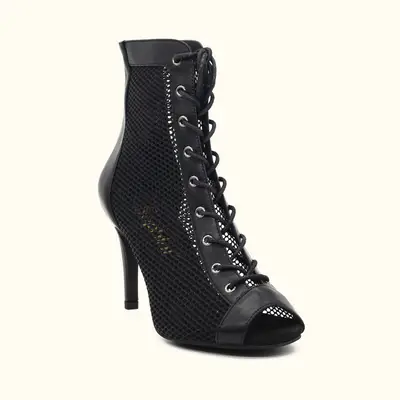
Two factors that dramatically affect comfort but rarely get discussed are seam placement and lining material. Poorly placed seams land right on top of your bunions, your pinky toes, or the bony part of your ankle. Suphini artisans carefully map pattern pieces to shift seams away from high-friction zones. You will find our seams running along the sides of the foot or tucked under the arch where pressure is minimal. Then comes the lining. Cheap shoes use synthetic mesh or bonded leather that feels rough and traps sweat. We line our shoes with soft, untreated calf leather or high-grade microfiber that feels like suede against your skin. That lining breathes, wicks moisture, and develops a smooth patina with wear rather than breaking down into scratchy shreds. Together, thoughtful seam placement and quality lining create a shoe that feels broken in from day one.
Achieving a Secure Fit Without Painful Tightness
Dancers often believe that snug equals painful. That is only true when the snugness comes from a poorly shaped shoe squeezing the wrong parts of your foot. Suphini achieves a secure fit through strategic shaping rather than uniform compression. Our heels are narrower than most commercial lasts, cupping the heel bone without crushing the sides. Our toe boxes allow your forefoot to spread naturally during weight shifts, while the midfoot wraps just firmly enough to prevent sliding. For dancers who need adjustable fit, we offer lace-up styles, multiple buckle positions, and elastic goring that adapts to swelling feet during long rehearsals. The goal is a shoe that feels like a firm handshake: present and supportive, not crushing. When that balance is struck, you stop thinking about your shoes entirely and start thinking only about your movement.
Why Full-Grain Leather Outperforms Cheap Splits
Lasting quality begins with material selection, and here Suphini refuses to compromise. We use full-grain leather, which is the strongest and most durable layer of the hide, retaining the natural grain pattern and all its inherent strength. Many budget shoe brands use split leather, which is the fibrous underside of the hide after the top grain has been removed. Split leather looks acceptable at first but lacks the tensile strength to withstand repeated flexing. It cracks, stretches unevenly, and loses its shape within months. Full-grain leather does the opposite: it molds to your foot gradually, grows more comfortable with each wear, and maintains structural integrity for years. The initial investment in full-grain pays off repeatedly because you are not replacing your Suphini shoes every season. You are simply enjoying them more as they age.
Reinforced Stitching That Refuses to Unravel
Nothing announces poor quality faster than a loose thread dangling from a shoe seam. That loose thread is usually the first sign of deeper problems: skipped stitches, cheap thread, or insufficient seam allowances. Suphini uses heavy-duty nylon or linen thread that resists abrasion and UV damage. Our artisans sew with lockstitch machines calibrated to maintain even tension, then they back-stitch at the beginning and end of every seam to prevent unraveling. High-stress areas like the vamp flex point and heel cup receive double rows of stitching or a reinforced bartack. The result is a shoe that can handle thousands of relevés, countless pivots, and the occasional accidental kick against a stage prop without shedding a single thread. You might wear through the sole before you ever pop a seam, which is exactly how quality footwear should behave.
Soles That Balance Grip, Glide, and Longevity
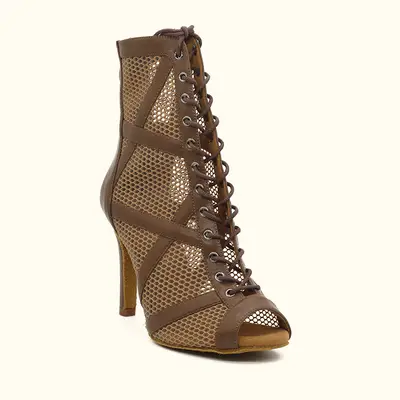
The sole of a dance shoe takes more abuse than any other component, yet many suppliers treat it as an afterthought. Suphini builds soles with the same care as the uppers, using premium oiled suede or vegetable-tanned leather depending on your dance style. Oiled suede offers the classic balance of controlled grip and smooth glide that ballroom and Latin dancers love. Vegetable-tanned leather provides a firmer, more durable surface for dancers who spend time outdoors or on rougher floors. We attach these soles with flexible, heat-resistant cement that moves with the shoe rather than cracking. For dancers who want extra longevity, we offer a thin rubber forefoot patch that takes the brunt of toe-heavy work. When the sole eventually wears down, we can replace it entirely, giving your favorite uppers a whole new life beneath them.
How Proper Break-In Extends the Life of Your Shoes
Even the finest handmade shoes need a gentle break-in period, and how you handle those first few wears directly affects how long the shoes last. Suphini provides detailed break-in instructions because we want you to get maximum value from your purchase. Start by wearing your new shoes around your home on clean carpet for short sessions, gradually increasing duration. Do not soak your shoes or apply direct heat to speed up the process, as both methods damage leather fibers and weaken adhesives. Instead, let your body heat and natural movement do the work slowly. Pay attention to any hot spots during the first week; these areas will soften with wear, but persistent pain might indicate a need for professional stretching. A patient break-in period rewards you with shoes that fit like they were grown on your feet and last far longer than any rushed alternative. That is the Suphini promise: comfort, fit, and lasting quality delivered with care from our workshop to your stage.


