


Some design combinations just make sense together, like peanut butter and jelly or coffee and cream. Chair rail and picture frame molding fall into that same category. When you pair these two classic elements, you get something far greater than the sum of their parts. The chair rail runs horizontally across your wall, typically about one-third of the way up from the floor, creating a clean visual division. Below that rail, picture frame molding—those rectangular or square trim frames—adds structure and elegance to the lower zone. The result is a wall that feels intentionally layered, architecturally significant, and undeniably refined. This combination has graced the walls of elegant homes for centuries, from Georgian townhouses to Victorian parlors. But you do not need a historic home or a professional carpenter to achieve the look. Modern pre-cut kits bring chair rail and picture frame molding together in one package, making this refined interior style accessible to anyone with a weekend and a willingness to try.
Why Chair Rail and Picture Frame Belong Together
Let me explain why these two elements work so beautifully as a pair. A chair rail on its own can feel a little lonely, just a single horizontal stripe circling the room. Picture frame molding on its own can feel like it is floating without a clear anchor. But when you combine them, each one supports the other. The chair rail becomes the crown that sits above a gallery of framed panels, giving them a defined top edge and a sense of purpose. The picture frames, in turn, give the area below the chair rail a rhythm and repetition that draws the eye pleasantly across the wall. From a design perspective, this combination also solves a common problem. The lower portion of a wall often feels neglected or awkwardly empty. By filling that space with a series of elegant frames, you transform a potential dead zone into a deliberate design feature. The chair rail then acts as a capstone, a finishing line that tells your eye that what lies below is complete and intentional. Together, they create a wall treatment that feels both grounded and sophisticated.

Choosing the Right Proportions for Your Room
Getting the proportions right is the single most important factor in making this combination look refined rather than cramped or awkward. Start with the chair rail height. For an eight-foot ceiling, the traditional placement is thirty-two to thirty-six inches from the floor. This puts the rail at roughly one-third of the wall height, which feels balanced and pleasing to the eye. For nine or ten-foot ceilings, you can raise the chair rail to forty-two inches or even forty-eight inches. The key is to leave enough wall above the rail so the room does not feel chopped in half. Once the rail height is set, you need to size your picture frames. Each frame should sit entirely below the chair rail, with a few inches of breathing room between the top of the frame and the bottom of the rail. The frames should also leave a gap between themselves and the baseboard. A good rule of thumb is to keep the top and bottom gaps roughly equal. For example, if your chair rail sits at thirty-six inches and your baseboard is four inches tall, you have about thirty-two inches of usable space. A picture frame that is twenty-four inches tall leaves four inches above and four inches below, which looks beautifully balanced.
What a Combined Kit Includes
When you purchase a kit that combines chair rail and picture frame molding, you are getting a thoughtfully curated set of materials designed to work together seamlessly. The kit will include all the chair rail pieces you need to circle your room or cover your accent wall, pre-cut to length and often with pre-mitered corners or corner blocks. It will also include all the picture frame molding pieces, typically cut to the exact dimensions of the panels you have chosen. Many kits provide a layout template or spacing guide that shows you exactly where to place each frame in relation to the chair rail and to each other. You will also receive construction adhesive, paintable caulk, and sometimes even a small level and sanding sponge. The chair rail and the picture frame molding are usually made from the same material, often high-density polyurethane or primed MDF, which means they accept paint uniformly and will age at the same rate. Some premium kits even include decorative rosettes for the corners of the picture frames, adding an extra layer of elegance without any additional cutting or fitting on your part.
Installation Steps for a Seamless Look
Let me walk you through the installation process so you can see how manageable this project truly is. Begin by marking your chair rail height on the wall using a level and a pencil, drawing a faint line all the way across. Next, determine where your picture frames will go. Most designs center a frame between the chair rail and baseboard, then repeat that frame at regular intervals across the wall. Use your kit’s spacing guide to mark the corners of each frame lightly on the wall. Now install the chair rail first. Apply adhesive to the back of each piece, press it against the wall along your pencil line, and secure it with finishing nails into the studs if desired. Then move to the picture frames. Working one frame at a time, apply adhesive to the back of each molding piece and press it onto the wall following your corner marks. Use your level to ensure each side is perfectly straight. After all frames and the chair rail are installed, let the adhesive cure overnight. The next day, fill any small gaps at the corners with paintable caulk, smooth with a wet finger, and sand any rough edges lightly. Finally, apply two coats of your chosen paint. The result will be a wall where the chair rail and picture frames look like they grew there together.
Where This Combination Shines Brightest
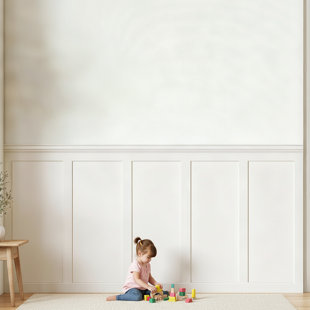
While chair rail and picture frame molding can work in almost any room, some spaces benefit more than others. The dining room is the classic choice, and for good reason. The chair rail protects the wall from chair backs, while the picture frames below add formality and elegance that elevate every meal. A living room or great room also welcomes this treatment, especially on the wall behind a sofa. The horizontal line of the chair rail grounds the seating area, while the framed panels below add visual weight that balances the often-tall sofa back. For a home office, consider installing this combination on the wall behind your desk. It adds instant professionalism to video calls and makes the space feel more like a executive suite than a spare bedroom. A master bedroom can also benefit, particularly on the wall behind the headboard. The chair rail sits just above the headboard, while the picture frames below fill the space between the headboard and the floor, creating a stunning architectural headboard effect. Even a hallway or staircase wall can shine with this treatment, though you will want to use narrower picture frames to fit the tighter spaces.
Painting and Finishing for Maximum Refinement
The paint colors and finishes you choose will determine whether your chair rail and picture frame molding look truly refined or merely adequate. For a seamless, built-in appearance, paint the chair rail, the picture frames, the wall below the rail, and the wall above the rail all the exact same color. Use a satin or semi-gloss finish on the molding and the lower wall, and a matte finish on the upper wall. The sheen difference will create subtle depth while maintaining a clean, unified look. For a more traditional two-tone approach, paint the upper wall a lighter color and everything below the chair rail a darker, richer shade. This grounds the room and draws attention to the beautiful frame details. For the most dramatic and formal look, paint the upper wall a deep, moody color like charcoal or navy, keep the lower wall and molding crisp white, and let the chair rail act as a sharp dividing line. Whichever palette you choose, take your time with the painting. Use painter’s tape to protect adjacent surfaces, apply thin coats to avoid drips, and let each coat dry completely before adding the next. With chair rail and picture frame molding working together, your walls will finally have the refinement they have been missing.


