


If you work in an industry that moves sand, gravel, mining tailings, or thick chemical slurries, you already know that standard water pumps simply do not cut it. Heavy-duty applications demand equipment that can handle constant abrasion, high solids content, and often corrosive fluids without breaking down every few weeks. This guide is meant to help you understand why CNSME has become a go-to slurry pump supplier for exactly these tough jobs. Rather than drowning you in technical jargon, I will walk through the practical features and support systems that make CNSME pumps a solid choice for anyone who needs reliable slurry handling day in and day out. Whether you are setting up a new processing plant or replacing worn-out units in an existing facility, knowing what to look for in a supplier can save you a lot of headaches down the road.
Understanding Your Slurry Before Choosing a Pump
Before you even look at pump models, the most important step is understanding exactly what you are moving. CNSME takes this seriously by asking detailed questions about particle size, shape, hardness, concentration, and the chemical properties of the liquid carrier. Are the particles sharp like crushed glass or rounded like natural sand? Is the slurry acidic, alkaline, or neutral? Does it settle quickly or stay suspended? These factors determine whether you need a high-chrome iron pump for extreme abrasion, a rubber-lined pump for corrosion resistance, or something in between. I have seen projects fail because someone assumed a standard slurry pump would work, only to find out that the chemistry ate through the casing in a matter of weeks. CNSME’s engineers will help you analyze your slurry and recommend the right material and hydraulic design from the start, which is the single most effective way to avoid premature failures.
Selecting the Right Pump Series for the Job
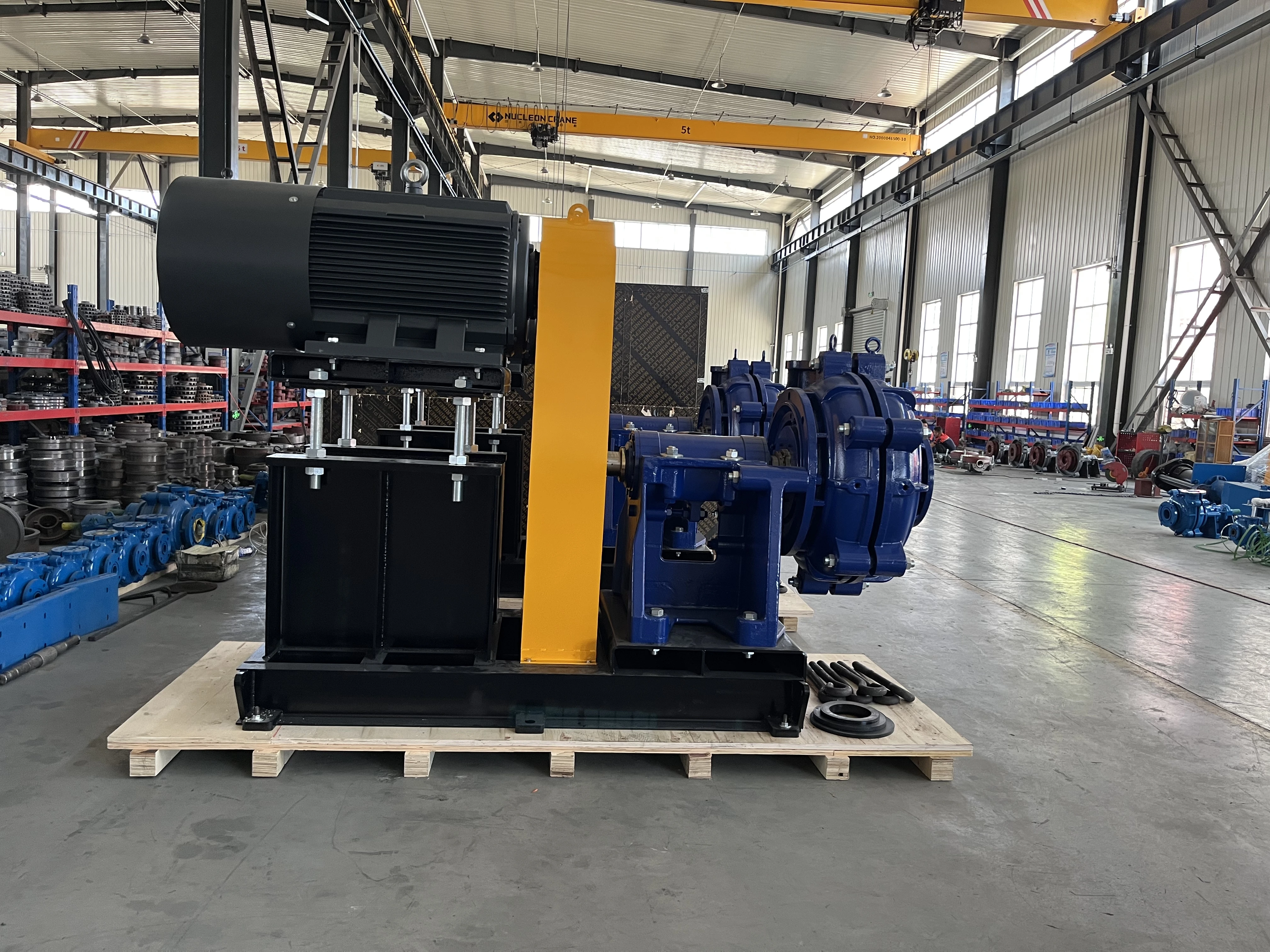
CNSME offers several families of slurry pumps, each aimed at different heavy-duty applications. Their H series horizontal pumps are the workhorses for mining and mineral processing, featuring thick high-chrome liners and robust bearing assemblies designed for continuous operation. For sump services or applications where the pump needs to be submerged, their V series vertical pumps eliminate priming issues and handle frothy slurries well. If you need to move abrasive slurries over long distances or against high heads, their M series medium-duty pumps offer a good balance of performance and cost. What I appreciate is that CNSME does not force every customer into the most expensive model. They will honestly tell you when a less heavy-duty pump will suffice for your application, saving you money without compromising reliability. The key is matching the pump’s design pressure, speed rating, and wear material to your actual operating conditions.
Proper Installation and Alignment Practices
Even the best slurry pump will perform poorly if it is installed incorrectly. CNSME provides detailed installation drawings and manuals, but there are a few universal rules that every heavy-duty application should follow. First, the pump should be mounted on a rigid concrete foundation or a heavy steel baseplate that prevents vibration and misalignment. Second, the suction piping should be as short and straight as possible, with an eccentric reducer to avoid air pockets. Third, shaft alignment between the pump and motor must be within tight tolerances, ideally checked with a laser alignment tool. I have watched many good pumps die young because someone rushed the installation, skipped the alignment check, or used undersized piping that starved the suction. CNSME’s technical team can review your piping layout and foundation plans before you pour concrete, catching potential problems early. A little extra care during installation pays back tenfold in pump longevity.
Operating Tips for Maximum Service Life
Once your CNSME pump is up and running, how you operate it has a huge impact on how long it lasts. One of the most common mistakes is running the pump too far to the left or right on its performance curve. Operating at very low flow rates causes recirculation and accelerated wear, while running at excessively high flow rates can overload the motor and cause cavitation. Keep the pump within sixty to one hundred and twenty percent of its best efficiency point for optimal life. Also, pay attention to the seal water or flush water system. Many heavy-duty slurries require a clean water flush at the seal to prevent solids from packing into the gland or mechanical seal. CNSME provides recommended seal flush rates and pressures in their manuals, and following those guidelines closely will prevent one of the most common failure modes. I have seen plants double their seal life just by adjusting their flush water to the right pressure.
Routine Maintenance That Prevents Surprises
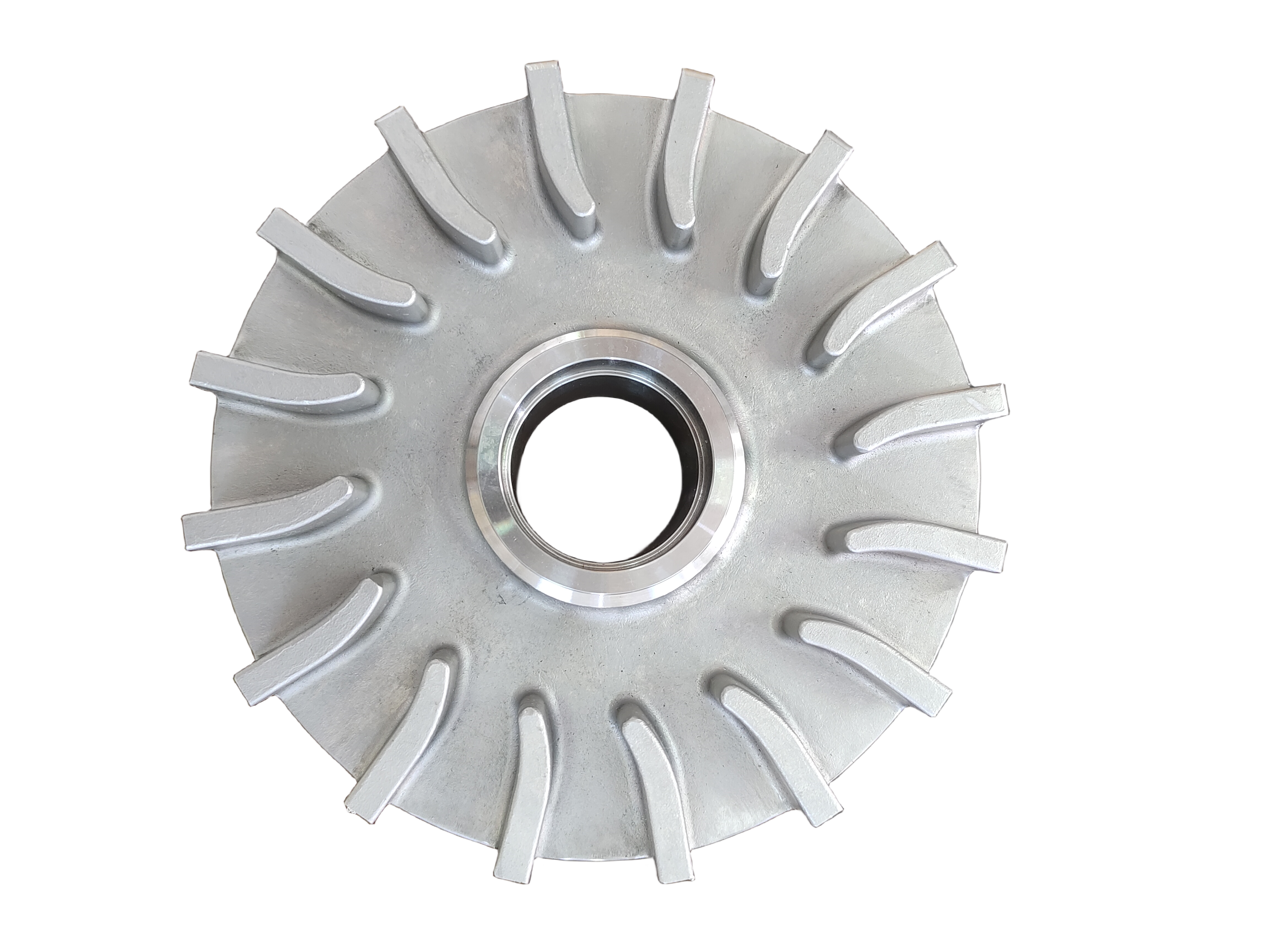
Heavy-duty slurry pumps are not fit-and-forget equipment. They need regular attention, but that attention does not have to be time-consuming if you plan it properly. CNSME recommends keeping a simple logbook where you record bearing temperatures, vibration levels, seal water flow, and the pump’s discharge pressure each shift. A sudden change in any of these parameters often signals an impending problem long before a catastrophic failure occurs. Every few hundred hours, check the gland leakage or mechanical seal condition, and listen for any unusual noises from the bearing housing. When it is time to replace liners or the impeller, use genuine CNSME parts rather than cheaper aftermarket copies. I have seen aftermarket parts fail in a fraction of the time because the metallurgy was not quite right or the dimensional tolerances were off. A little preventive maintenance goes a long way, and CNSME’s manuals give you clear intervals and procedures to follow.
Building a Smart Spare Parts Inventory
Nothing shuts down a heavy-duty operation faster than waiting for a replacement liner or impeller to arrive. CNSME helps you avoid this by providing a recommended spare parts list for each pump model based on your specific application severity. For most operations, you should keep at least one full set of wet end parts (impeller, front liner, rear liner, and shaft sleeve) on the shelf, plus a spare bearing cartridge and a couple of mechanical seals or gland packing kits. The exact quantities depend on how far you are from a CNSME warehouse and how critical the pump is to your process. I have worked with sites that kept minimal spares because they were close to a distributor, and other sites that stocked two full rebuild kits because they were a week away from the nearest supply. CNSME can help you strike the right balance between inventory cost and risk, ensuring that you have what you need without tying up too much capital in rarely used parts.


