


When most people hear the words “wall molding,” they immediately picture heavy, ornate Victorian-era homes with dark wood panels and fussy details. That old stereotype has kept many modern homeowners from exploring what molding can actually do for their spaces. The truth is that decorative wall molding has evolved dramatically, and today’s solutions are sleeker, cleaner, and more versatile than ever. Modern living spaces—with their open floor plans, neutral palettes, and minimalist furniture—actually benefit enormously from the subtle texture and structure that well-designed molding provides. Far from looking dated, the right molding adds warmth and intention to contemporary rooms without overwhelming them. Whether you live in a downtown loft, a suburban tract home, or a mid-century ranch, there is a decorative molding solution that will complement your style rather than compete with it.
Why Modern Interiors Need the Structure That Molding Provides
Let me explain why even the most minimalist spaces crave a little architectural definition. Walk into a brand new apartment or a freshly renovated modern home, and you will often notice something feels slightly unfinished. The walls are perfectly smooth and uniformly painted, but they lack any sense of hierarchy or rhythm. Decorative molding solves that problem by breaking up large, monotonous wall surfaces into smaller, more human-scaled sections. This creates visual rest stops for your eyes as you move through a room. In an open-concept living area, a band of horizontal molding at chair rail height can subtly separate the dining zone from the living zone without building any physical walls. Vertical panel molding behind a floating media console adds a sense of groundedness and ceremony to what might otherwise feel like a television just hanging on a blank canvas. Modern design celebrates clean lines, and molding provides exactly that—clean, intentional lines that give a room its backbone.
Clean Lines and Minimalist Profiles for Contemporary Taste
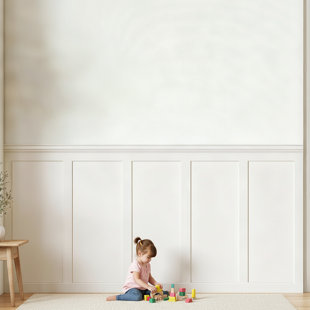
Gone are the days of deeply routed profiles with multiple coves and beads. Today’s decorative wall molding embraces flat panels, shallow reliefs, and sharp, squared-off edges. The most popular modern profiles are often called “flat stock” or “square edge” molding, and they look more like thin boards attached to the wall than traditional trim. These low-profile pieces cast very subtle shadows, which keeps the overall look light and airy rather than heavy and oppressive. Many contemporary kits also feature wider spacing between panels, sometimes with just two or three oversized rectangles on an entire wall. This generous spacing feels relaxed and uncluttered, perfectly matching modern furniture with its low profiles and open silhouettes. Paint is another key factor. Modern molding almost always gets painted the exact same color as the wall, which allows the texture to do the talking without adding visual noise. The result is a look that feels architectural and custom without screaming for attention.
Geometric Patterns That Feel Fresh and Unexpected
If you really want to push into bold contemporary territory, consider moving beyond traditional rectangles altogether. Many decorative molding kits now offer geometric patterns specifically designed for modern tastes. Think intersecting diagonal lines that create a subtle diamond grid across an entire wall. Think asymmetrical arrangements where panels are different sizes, or vertical strips that start at different heights. Some kits even include circular or arched elements that soften the harshness of an all-right-angle room. These unexpected shapes feel playful and artistic, turning your wall into a genuine sculptural feature. I have seen homeowners use chevron patterns in home offices to energize the space, or overlapping squares in a dining room to create a subtle optical illusion. The key to pulling off geometric molding in a modern space is restraint. Use one bold pattern on a single wall, keep the rest of the room neutral, and let the geometry be the conversation starter.
Incorporating Molding into Open Floor Plans and Lofts
Open floor plans present a unique challenge when it comes to wall decoration. Without traditional room divisions, every wall is visible from multiple angles, so your choices need to feel cohesive across a larger visual field. Decorative molding actually excels in this environment because you can use consistent panel patterns to create a sense of flow from one zone to the next. For example, run the same horizontal band of molding at the same height across an entire great room, passing behind the sofa, continuing past the dining table, and ending at the kitchen peninsula. This continuous line visually ties the whole space together without adding clutter. In loft spaces with very high ceilings, consider running vertical panels all the way from floor to ceiling. These long, uninterrupted lines draw the eye upward and emphasize the dramatic height of the room. You can also use molding to define specific zones within an open plan—a large square panel behind a bed creates an instant headboard zone, while a series of narrow rectangles behind a desk establishes a focused work area.
Mixing Molding with Other Modern Materials and Textures
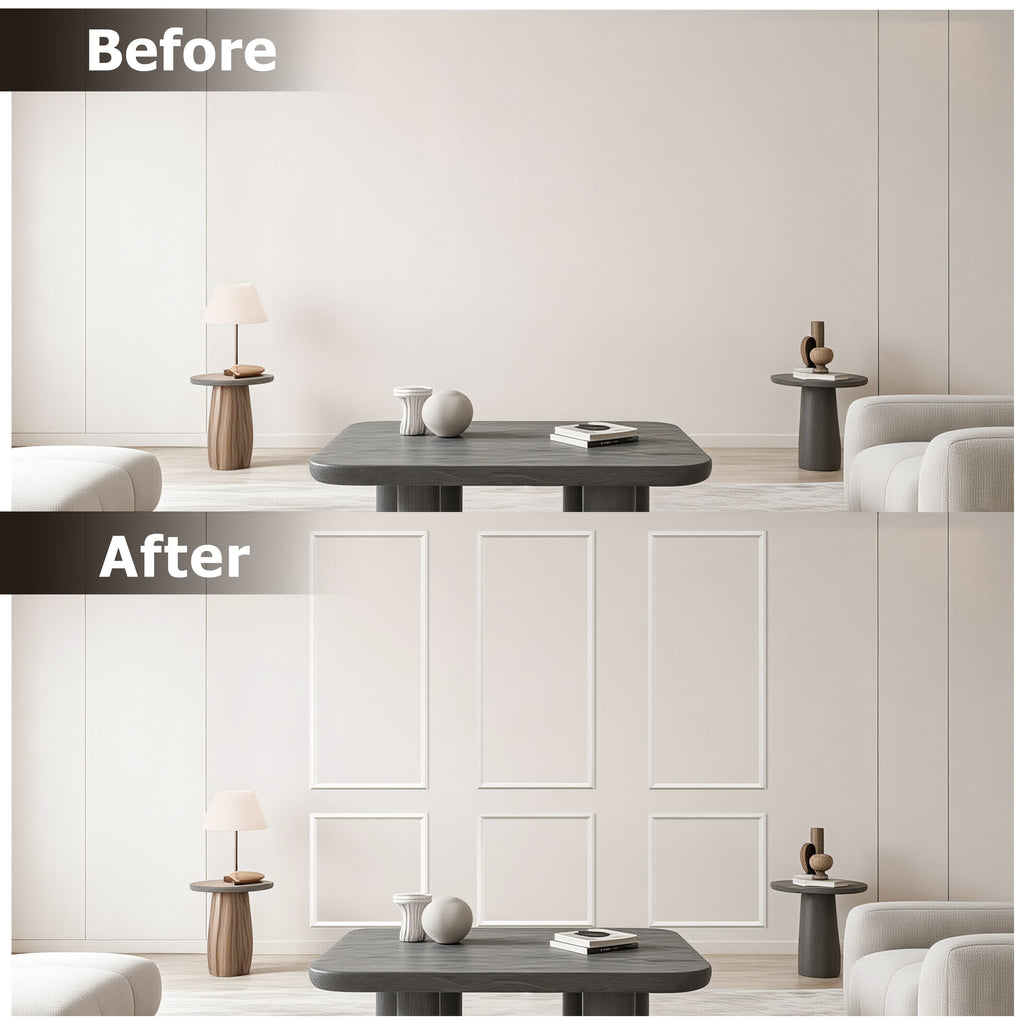
One of the most exciting developments in contemporary interior design is the willingness to mix different materials and textures. Decorative wall molding plays beautifully with this trend. You can install molding over a wall that has been partially covered in natural linen wallpaper, so the trim frames the fabric like a piece of art. You can paint the molding in high-gloss lacquer while leaving the surrounding wall in flat matte, creating a subtle play of light and reflection. For an ultra-modern look, combine wood-grain molding with a concrete-effect wall, or pair black metal-look trim with rich navy paint. Some homeowners are even installing backlit molding, running thin LED strips behind floating panels to create a soft glow that makes the wall appear to hover. The point is that modern design rewards experimentation, and molding provides an ideal framework for trying creative combinations. Do not be afraid to treat molding as one element in a layered wall treatment rather than the entire show.
Low-Maintenance Materials That Fit Busy Modern Lifestyles
Let us be practical for a moment. Modern life is busy, and nobody has time for high-maintenance wall treatments that require constant dusting, special cleaners, or seasonal touch-ups. Fortunately, contemporary decorative molding solutions are designed with real life in mind. Most kits use high-density polyurethane or PVC-based materials that resist dents, scratches, and moisture. You can wipe them down with a damp cloth and mild soap without worrying about warping or water damage. They do not require annual repainting like wood trim can, and they will never develop cracks at the joints as your house settles. For families with young children or pets, this durability is a game changer. Additionally, many modern molding kits use peel and stick adhesive rather than permanent glue or nails, which means you can remove or reconfigure them as your tastes change. That flexibility suits the modern tendency to refresh and update homes more frequently than previous generations did. Decorative wall molding has finally caught up with how we actually live, and that makes it a perfect fit for today’s modern living spaces.


