


Australia has one of the highest rates of skin cancer in the world, which is why early assessment and treatment remain important for many people. In cases where a suspicious lesion requires removal, excision skin cancer Melbourne procedures are commonly used to remove affected tissue while helping reduce the risk of further spread or recurrence.
Many patients first attend a skin cancer clinic after noticing changes in a mole, unusual skin growth, a non-healing spot, or areas of skin that continue to bleed, crust, or change colour. Once assessed, the doctor may recommend an excision procedure depending on the size, depth, type, and location of the lesion.
What Is A Skin Cancer Excision Procedure?
An excision procedure involves surgically removing the visible skin cancer along with a surrounding margin of healthy skin tissue. The purpose of the margin is to help ensure that abnormal cells are fully removed.
This procedure is commonly used for several types of skin cancer and suspicious lesions. The removed tissue is usually sent for laboratory testing so the margins and diagnosis can be confirmed.
The procedure itself is often performed under local anaesthetic, meaning the treatment area is numbed while the patient remains awake.
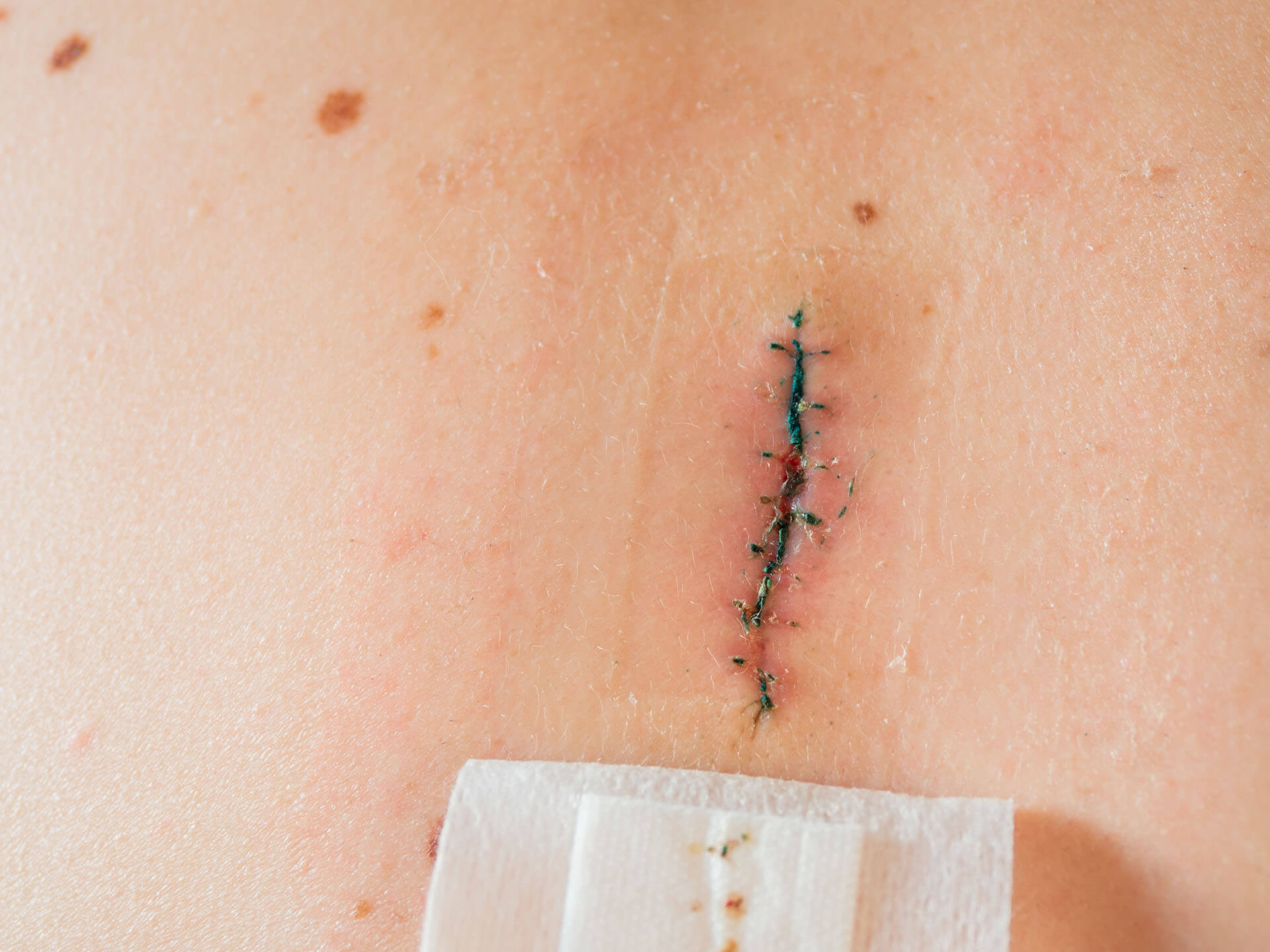
What Usually Happens During The Appointment
Although every case is different, the process often follows several standard steps.
Before the procedure:
- The treatment area is examined and marked
- Medical history and medications may be reviewed
- The doctor explains the expected outcome and scar position
During the procedure:
- Local anaesthetic is applied
- The lesion and surrounding tissue are removed
- The wound is closed using stitches
- A dressing is applied over the area
The length of the appointment can vary depending on the size and location of the lesion being removed.
Recovery After Excision
Recovery time can differ from one patient to another. Factors such as the location of the excision, the size of the wound, and the individual’s healing response may all affect recovery.
In the days after the procedure, patients may experience:
- Mild discomfort or tightness
- Swelling around the area
- Bruising or redness
- Temporary movement restriction if the excision is near a joint
Stitches may remain in place for several days or longer, depending on the body area involved. Follow-up appointments are often arranged to review healing and discuss pathology results.
Why Aftercare Matters
Aftercare plays an important role in wound healing and scar management. Patients are usually advised to keep the area clean, dry, and protected while the wound heals.
Important aftercare considerations may include:
- Avoiding excessive strain on the treated area
- Keeping dressings secure and clean
- Monitoring for unusual redness or discharge
- Attending scheduled follow-up appointments
- Protecting healing skin from sun exposure
Common Reasons People Delay Treatment
Some people delay treatment because the lesion appears small, painless, or slow-changing. Others may assume the spot is harmless because it has been present for a long time.
However, warning signs that should not be ignored can include:
- Bleeding or crusting spots
- Moles changing in size or colour
- Lesions that do not heal
- Persistent rough or scaly areas
- Rapidly growing skin changes
If you notice unusual skin changes or a lesion that does not heal properly, speak with a qualified skin health professional about appropriate assessment and treatment options.


