


Procurement has evolved far beyond simply sourcing goods at the lowest possible price. Today, it plays a strategic role in shaping operational efficiency, managing risk, and driving long-term value. For organisations of all sizes, from growing SMEs to established enterprises, understanding how to optimise procurement processes can make a significant difference. This is where procurement consulting becomes invaluable.
In this article, we explore what procurement consulting involves, why it matters, and how it can help organisations build smarter, more resilient supply chains.
Understanding Modern Procurement
Modern procurement is about far more than placing orders and negotiating prices. It involves supplier relationship management, contract optimisation, compliance, sustainability considerations, and risk mitigation. In a rapidly changing economic environment, organisations must remain agile and forward-thinking in their approach.
Global supply chain disruptions, fluctuating costs, and evolving regulatory requirements have made procurement increasingly complex. Businesses that lack internal expertise or resources may struggle to keep pace. As a result, many turn to external specialists for guidance and strategic support.
What Is Procurement Consulting?
At its core, procurement consulting provides organisations with expert advice and tailored strategies to improve purchasing performance. Consultants analyse current procurement processes, identify inefficiencies, and recommend practical improvements that align with business objectives.
This may include:
- Reviewing supplier contracts and renegotiating terms
- Implementing digital procurement tools
- Developing cost-reduction strategies
- Enhancing supplier performance management
- Strengthening governance and compliance frameworks
By bringing an independent perspective, consultants can uncover opportunities that may be overlooked internally. They combine industry insight with data-driven analysis to create measurable, sustainable improvements.
Driving Cost Savings Without Compromising Quality
Cost reduction is often the primary motivation for seeking procurement support. However, effective procurement is not simply about paying less; it is about achieving better value.
Through careful spend analysis and supplier benchmarking, consultants can identify areas where organisations may be overspending or duplicating efforts. They can also help consolidate suppliers, streamline purchasing categories, and negotiate improved contract terms.
Importantly, cost savings achieved through procurement consulting are designed to be sustainable. Rather than one-off reductions, the focus is on building robust processes that continue to deliver value year after year.
Enhancing Supplier Relationships
Strong supplier relationships are essential to operational stability. A well-managed supplier network can improve service quality, encourage innovation, and reduce the likelihood of disruption.
Procurement specialists often help organisations segment suppliers according to strategic importance. This enables businesses to prioritise collaboration with key partners while managing risk across the wider supply base.
Structured performance reviews, clearer communication channels, and well-defined service level agreements all contribute to more productive partnerships. Over time, this approach strengthens resilience and supports long-term growth.
Embracing Digital Transformation
Technology is reshaping procurement at a rapid pace. From automated purchasing systems to advanced analytics platforms, digital tools can significantly improve efficiency and visibility.
However, implementing new systems can be daunting without specialist knowledge. Consultants assess existing infrastructure, recommend suitable solutions, and support seamless integration. They also ensure that teams are properly trained and processes are aligned with technology capabilities.
Digital transformation in procurement not only reduces manual workload but also provides valuable insights. Real-time data enables better forecasting, improved compliance monitoring, and faster decision-making.
Managing Risk and Ensuring Compliance
Procurement risk can arise from multiple sources, including supplier insolvency, regulatory changes, geopolitical instability, and ethical concerns. Without proper oversight, these risks can escalate quickly.
A structured procurement strategy incorporates risk assessment at every stage. Consultants conduct supplier due diligence, review contractual safeguards, and establish contingency planning processes. This proactive approach helps organisations anticipate potential issues rather than react to crises.
Compliance is equally critical. From data protection to sustainability reporting, regulatory requirements are becoming more stringent. External expertise ensures policies and procedures remain aligned with current standards.
Supporting Sustainable Procurement
Sustainability is no longer optional. Stakeholders increasingly expect organisations to demonstrate environmental and social responsibility throughout their supply chains.
Procurement specialists assist businesses in embedding sustainability criteria into supplier selection and evaluation. This may involve assessing carbon footprints, ethical sourcing practices, and diversity initiatives.
By integrating sustainability into procurement strategy, organisations not only meet regulatory and stakeholder expectations but also enhance brand reputation and long-term viability.
Building Internal Capability
One of the most valuable aspects of external procurement support is knowledge transfer. Rather than creating dependency, effective consultants empower internal teams.
Workshops, training sessions, and collaborative strategy development help build internal expertise. Over time, this strengthens organisational capability and ensures that improvements remain embedded within the business.
A well-supported procurement function becomes a strategic asset, contributing directly to competitiveness and innovation.
Choosing the Right Partner
Selecting a procurement partner requires careful consideration. Organisations should look for proven experience, industry understanding, and a collaborative approach. Transparency, measurable outcomes, and cultural alignment are equally important.
The right partner works alongside your team, understanding unique challenges and tailoring solutions accordingly. They focus on practical implementation, not just theoretical advice.
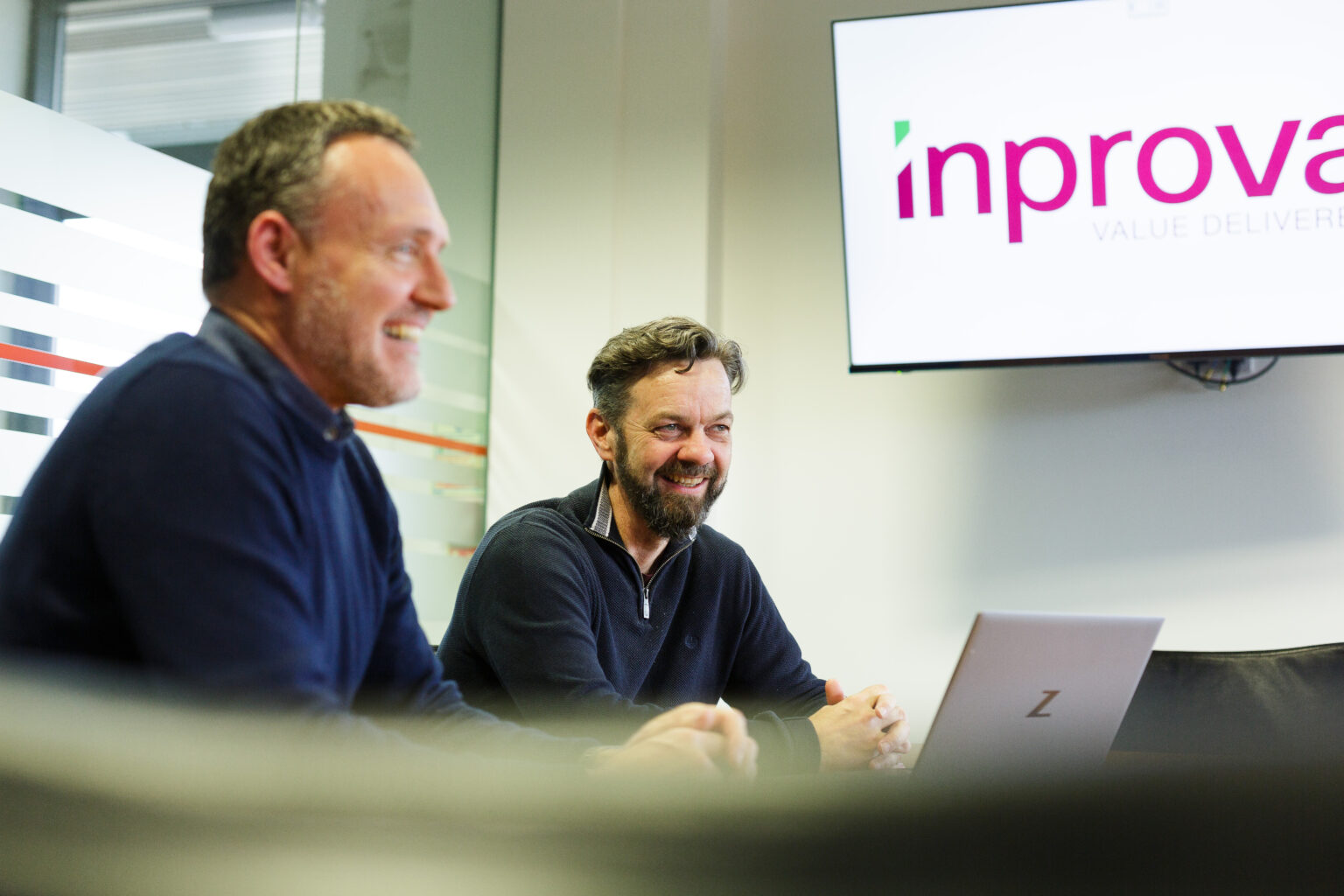
For organisations seeking strategic procurement support and long-term value creation, specialists such as Inprova offer expertise designed to transform purchasing into a powerful driver of performance.
Final Thoughts
Procurement has become a cornerstone of organisational success. In an increasingly complex business landscape, strategic guidance can unlock significant efficiencies, strengthen supplier relationships, and manage risk more effectively.
By investing in expert support, organisations position themselves to adapt confidently to change, reduce unnecessary costs, and build resilient supply chains that support sustainable growth.


