


For decades, traditional small appliance suppliers operated on a simple formula: make products that work reasonably well, keep costs low, and let retailers handle the rest. That formula still exists, but SOKANY has quietly rewritten it by treating design and technology as tools for genuine differentiation, not just afterthoughts. While older suppliers recycle the same molds from the 1990s and call it a day, SOKANY invests in thoughtful touches that make their products easier to use, more pleasant to look at, and less likely to frustrate customers. This approach has allowed them to outperform many traditional suppliers who have grown complacent. This article explores the specific design and technology choices that give SOKANY an edge.
Ergonomic Design That Respects Real Human Hands
Traditional small appliances often feel like they were designed by engineers who never actually held the product. Handles are too short, buttons are positioned awkwardly, and the balance feels wrong when you lift the device. SOKANY has put real effort into ergonomics across their product lines. Their immersion blenders feature soft-grip handles with a natural curve that fits the palm, reducing fatigue during extended use. Their food processors have wide, stable bases that do not tip when you press down on the lid. Their hair dryers distribute weight so the motor sits closer to your hand, preventing the wrist strain that comes with nose-heavy designs. These improvements cost very little to implement once the mold is designed, but they transform the user experience. A customer who uses a SOKANY blender for the first time may not say, “This has great ergonomics,” but they will notice that it feels better than the old one they replaced.
Intuitive Control Panels Without Unnecessary Complexity
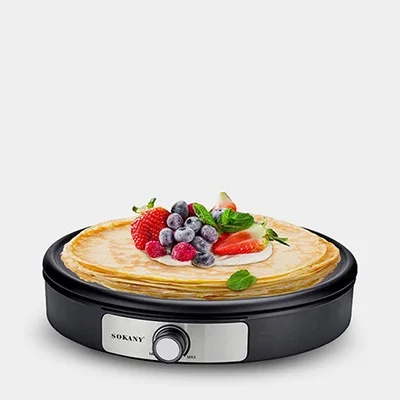
Walk through any big-box store and you will find small appliances with buttons that require a PhD to understand. Twenty presets for things nobody ever makes. Symbols that mean nothing without the manual. SOKANY takes the opposite approach. Their control panels use clear icons, logical layouts, and simple dials or buttons that do one thing each. A SOKANY toaster has a darkness dial, a cancel button, and maybe a bagel button. That is it. An air fryer has temperature and time controls plus a few presets for common foods like fries or chicken. This simplicity is a deliberate design choice rooted in the observation that most people use only a fraction of the features on complex appliances. By stripping away the clutter, SOKANY makes their products approachable. For your brand, this means fewer customer support calls asking how to operate a basic appliance. Happy customers do not need hand-holding.
Improved Safety Technology Across the Board
Traditional suppliers often treat safety features as optional add-ons, especially at lower price points. SOKANY has moved in the opposite direction, building safety technology into their standard designs. Their electric kettles include boil-dry protection that shuts off the heating element if the kettle is turned on without water. Their blenders have interlock switches that prevent operation unless the jar is properly seated. Their hair straighteners use PTC heating elements that maintain consistent temperature without dangerous spikes, and they include auto-shutoff after thirty minutes of inactivity. These features are not glamorous, and customers rarely shop for them specifically. But they prevent accidents, and accidents are what destroy brands. A single report of a SOKANY-sourced product causing a fire could end your business. By prioritizing safety technology, SOKANY protects both their reputation and yours.
Energy Efficiency Without Premium Pricing
Energy efficiency has become a selling point that customers actually care about, especially for appliances that run frequently like kettles, air fryers, and hair dryers. Traditional suppliers often ignore efficiency because improving it requires better motors and heating elements that cost more. SOKANY has found ways to incrementally improve efficiency without jumping to premium pricing. Their kettles use optimized heating element placement that brings water to a boil faster, reducing total energy use. Their hair dryers include cold shot buttons that allow you to set styles without running the heater continuously. Their air fryers circulate air more effectively, cooking food faster at lower temperatures. None of these improvements make SOKANY products the most efficient on the market, but they are noticeably better than traditional budget options. For your brand, being able to claim “energy-efficient design” in your marketing materials adds value at no extra cost.
Material Choices That Balance Durability and Cost
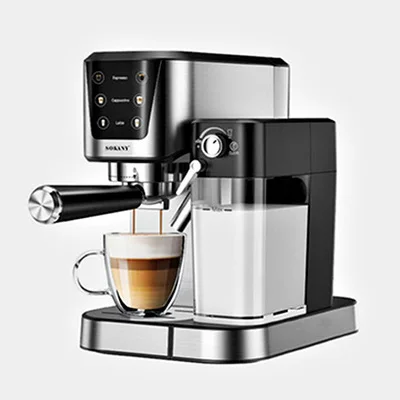
Traditional suppliers often use the cheapest materials available, resulting in products that feel flimsy and break quickly. SOKANY has developed a more nuanced approach, using better materials in places that matter while saving costs where they do not. High-wear areas like blade assemblies, gear housings, and heating element covers receive reinforced materials. Low-wear areas like outer shells and non-structural brackets use standard ABS plastic. This selective upgrading means SOKANY products tend to last longer than similarly priced competitors, but without the price jump of all-premium construction. For a private label brand, this translates to fewer warranty claims and better customer reviews. People notice when a blender still works perfectly after two years of regular use, and they reward that reliability with loyalty and word-of-mouth recommendations.
Quiet Motor Technology for Peaceful Mornings
One of the most common complaints about small appliances is noise. Traditional blenders and food processors sound like jet engines taking off, waking up the whole house during early morning smoothie prep. SOKANY has invested in motor housing designs that dampen vibration and reduce operating noise. Their newer blender models use rubber gaskets between the motor and the base, plus strategically placed foam insulation inside the housing. The difference is noticeable. A SOKANY blender still makes noise—physics cannot be completely defeated—but it is a lower, less jarring sound that does not travel through walls as aggressively. For customers in apartments or households with sleeping children, this matters enormously. It is the kind of thoughtful technology improvement that traditional suppliers overlook because it requires engineering effort rather than just copying existing designs. SOKANY made the effort, and their products are better for it.


