


For commercial property owners, roofing is more than just protection—it’s a long-term investment that affects energy efficiency, maintenance costs, and property value. Among modern commercial roofing options, TPO (Thermoplastic Polyolefin) has become one of the most popular choices due to its durability, affordability, and energy-saving benefits.
If you’re considering TPO Roofing Installation services, understanding the full cost breakdown can help you plan your budget and avoid unexpected expenses. In this guide, we’ll explain what influences pricing and how working with professionals like Superior Classic ensures the best return on your investment.
What Is TPO Roofing?
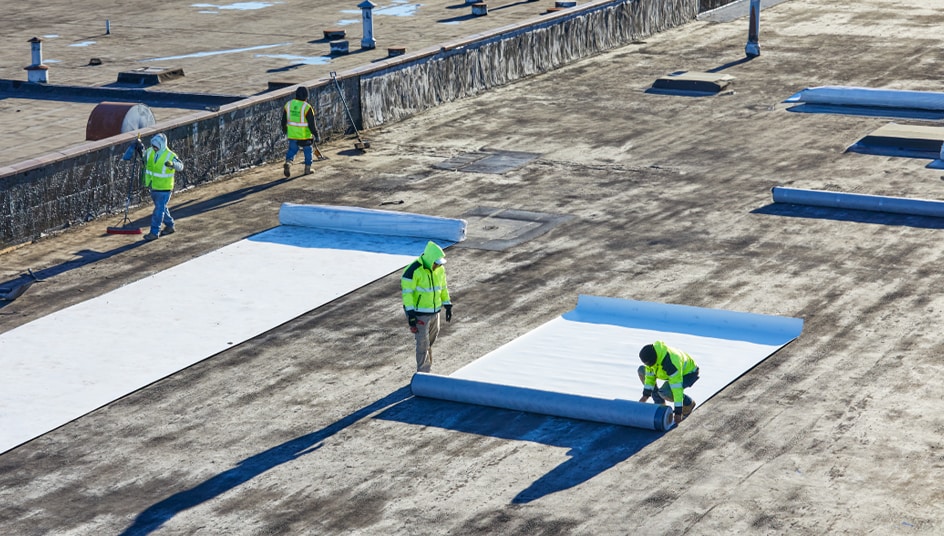

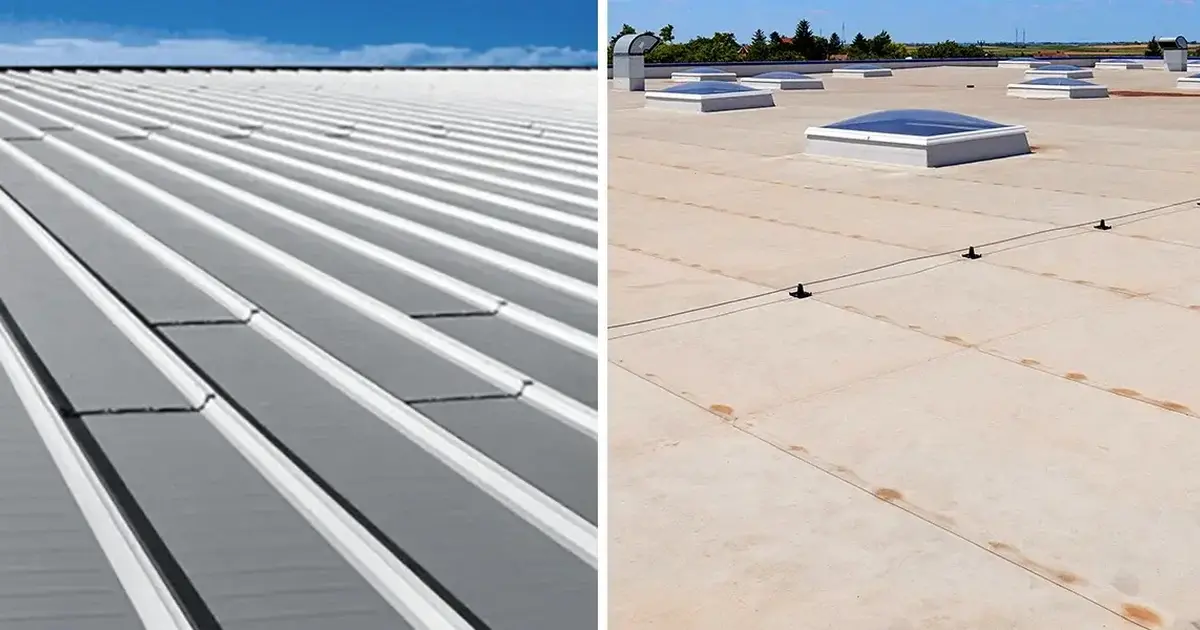
TPO is a single-ply roofing membrane designed for flat and low-slope commercial roofs. It’s known for:
-
High resistance to UV rays and heat
-
Reflective white surface that improves energy efficiency
-
Strong heat-welded seams for leak protection
-
Lightweight structure that reduces building stress
Because of its balance between performance and affordability, TPO has become a top choice for warehouses, retail centers, office buildings, and industrial facilities.
Average Cost of TPO Roofing Installation
The total cost of TPO roofing typically ranges between $5 to $12 per square foot for commercial properties. However, the final price depends on several factors such as roof size, insulation requirements, labor complexity, and material thickness.
For example:
-
Small commercial roof (10,000 sq. ft.): $50,000 – $120,000
-
Medium facility (25,000 sq. ft.): $125,000 – $300,000
-
Large industrial building: Costs vary based on structural needs and accessibility
Professional TPO Roofing Installation services will provide a detailed estimate based on your building’s specific requirements.
Cost Breakdown: What You’re Paying For
1. TPO Membrane Material
The membrane itself is a major cost component. Prices vary based on thickness:
-
45 mil – Budget-friendly, suitable for low-traffic roofs
-
60 mil – Most common option for durability and value
-
80 mil – Premium choice for high-traffic or harsh environments
Thicker membranes cost more upfront but offer longer lifespan and better protection.
2. Insulation Layer
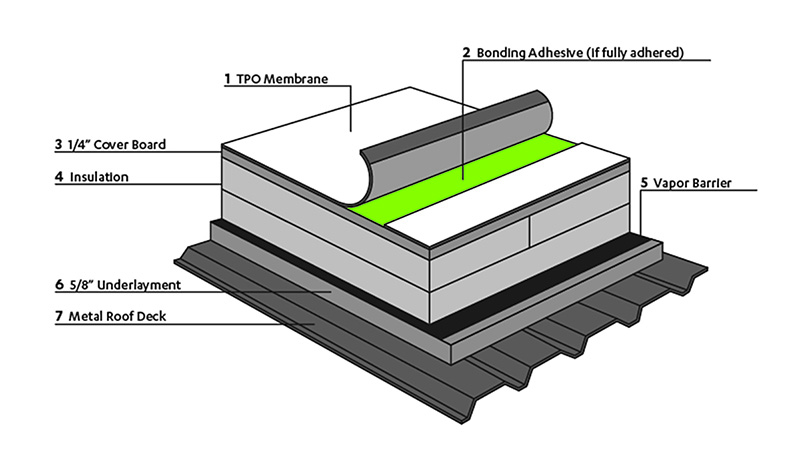
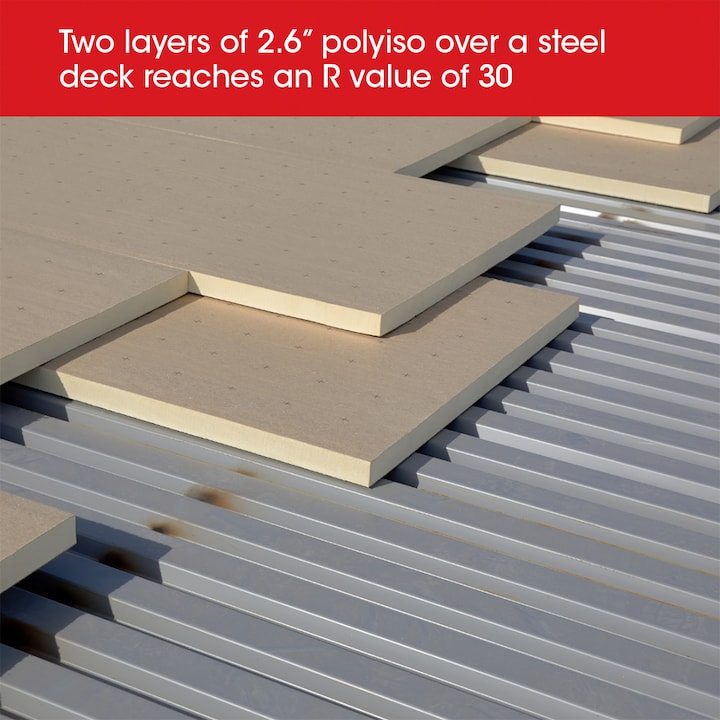
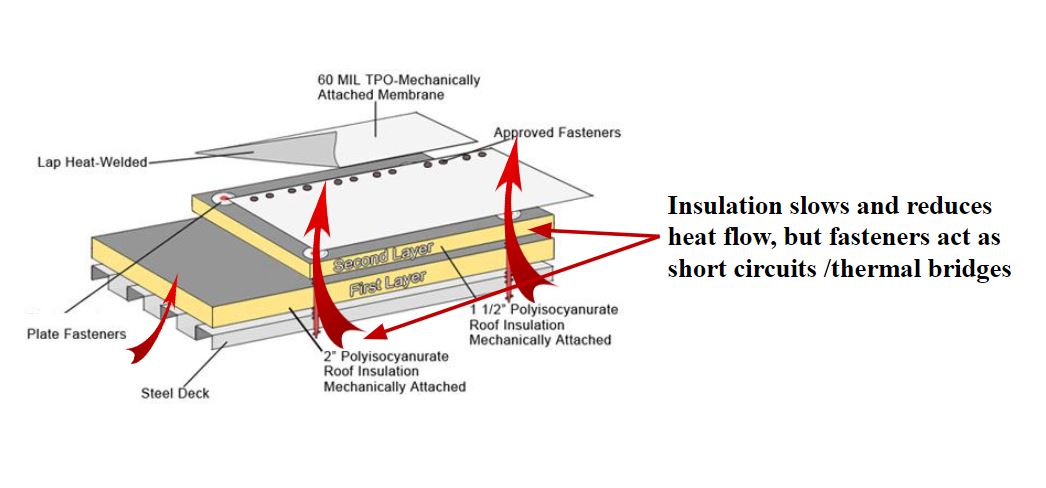
Insulation plays a critical role in energy efficiency and indoor comfort. Common options include:
-
Polyisocyanurate (Polyiso)
-
EPS (Expanded Polystyrene)
-
XPS insulation
Costs range from $1.50 to $4 per square foot, depending on thickness and R-value. Higher insulation levels may increase upfront costs but significantly reduce long-term energy expenses.
3. Labor Costs
Labor typically accounts for 30–40% of the total project cost. Factors affecting labor include:
-
Roof size and layout complexity
-
Number of penetrations (HVAC units, vents, skylights)
-
Accessibility and building height
-
Weather conditions and project timeline
Experienced contractors like Superior Classic ensure proper installation, heat-welded seams, and compliance with industry standards—preventing costly repairs later.
4. Roof Preparation or Tear-Off
If your existing roof needs removal, expect additional costs:
-
Tear-off and disposal: $1 to $3 per square foot
-
Minor repairs to decking or structure
-
Surface cleaning and leveling
In some cases, a new TPO system can be installed over the existing roof, reducing labor and disposal costs—if the structure allows.
5. Fasteners, Adhesives, and Accessories
Additional materials include:
-
Mechanical fasteners or adhesives
-
Edge metal and flashing
-
Sealants and penetration protection
-
Walk pads for maintenance areas
These components typically add $0.50 to $1.50 per square foot but are essential for long-term durability.
Optional Costs That Affect Your Budget
Energy Efficiency Upgrades
Adding thicker insulation or reflective coatings may increase upfront costs but lower utility bills.
Warranty Options
Manufacturer or contractor warranties (15–30 years) may affect pricing but provide long-term protection.
Drainage Improvements
If your roof has ponding water issues, adding tapered insulation or additional drains may be necessary.
Long-Term Value of TPO Roofing
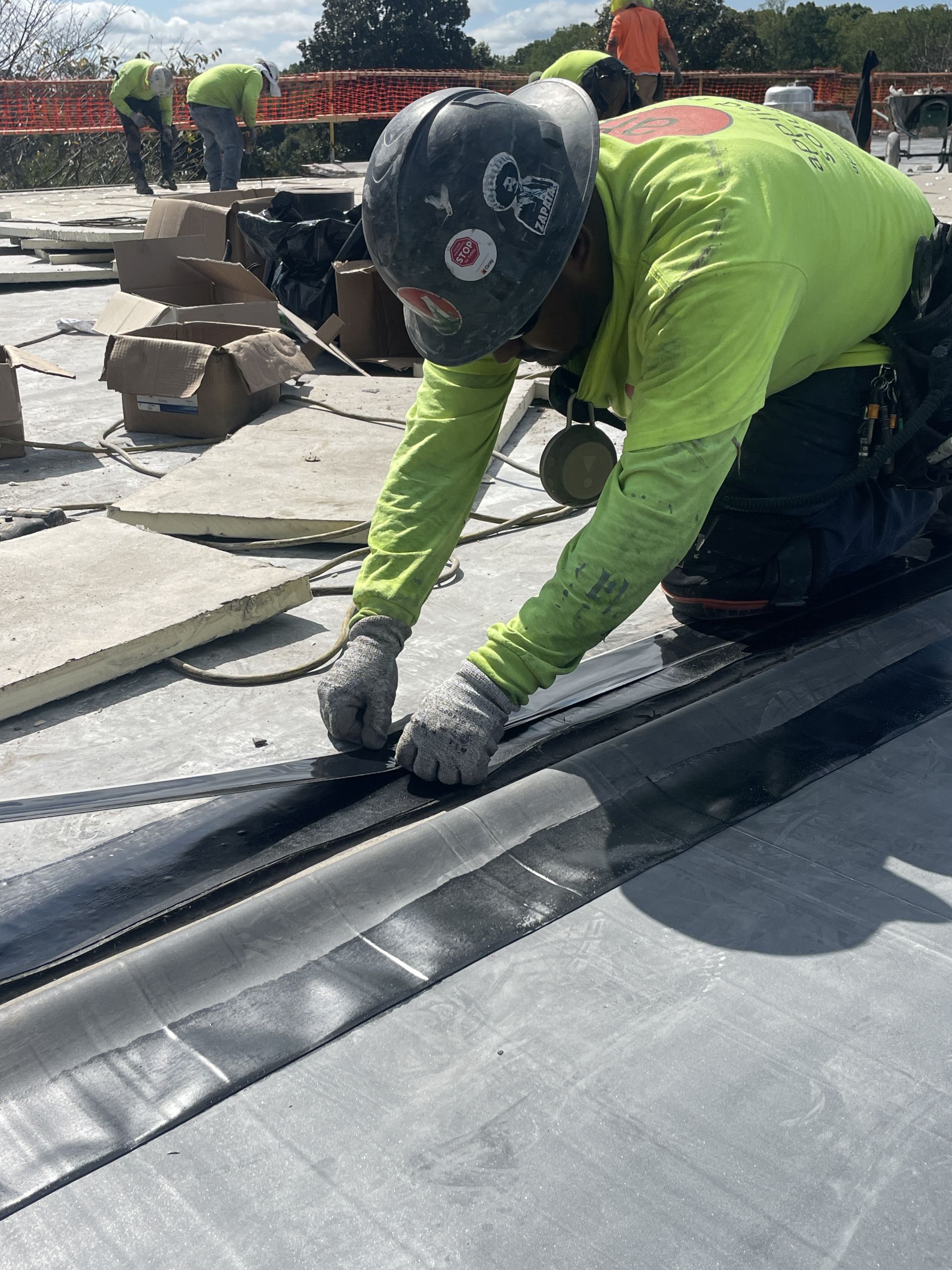

While upfront costs matter, TPO roofing offers excellent long-term value:
-
Lifespan: 20–30 years with proper maintenance
-
Energy savings: Reflective surface reduces cooling costs
-
Low maintenance: Resistant to mold, dirt, and punctures
-
Environmentally friendly: Recyclable and energy-efficient
Partnering with reliable TPO Roofing Installation services ensures your system performs efficiently for decades.
How to Get the Best Price
To maximize your investment:
-
Request multiple detailed estimates
-
Choose the right membrane thickness for your building needs
-
Invest in quality insulation for energy savings
-
Work with experienced contractors like Superior Classic
-
Schedule installation during favorable weather seasons
Avoid choosing the lowest bid without considering experience, materials, and warranty coverage.
Why Professional Installation Matters
Improper installation can lead to:
-
Seam failures and leaks
-
Poor insulation performance
-
Premature membrane damage
-
Voided manufacturer warranties
Professional teams ensure proper heat welding, secure fastening, and precise flashing—protecting your property and reducing future repair costs.
Final Thoughts
Understanding the cost breakdown of commercial TPO roofing helps property owners make informed financial decisions. While prices vary based on materials, insulation, labor, and roof condition, TPO remains one of the most cost-effective and energy-efficient solutions available.
By choosing professional TPO Roofing Installation services and working with trusted experts like Superior Classic, you can ensure high-quality workmanship, long-term durability, and maximum return on your investment.


