


When planning a large-scale demolition project in Toronto, one of the first questions that comes to mind is inevitably about cost. It is a complex question without a simple answer, as the price tag attached to bringing down a structure is influenced by a web of interconnected factors. For a company like Mammoth Demolition, providing an accurate and fair estimate requires a deep dive into the unique characteristics of each project, the specific challenges of the Toronto urban environment, and the ever-changing landscape of municipal regulations. Understanding these cost factors is not just about budgeting; it is about appreciating the value of the expertise, safety, and meticulous planning that goes into transforming a standing building into a clean, vacant site ready for its next chapter.
The Foundation of the Estimate: Project Scope and Size
The most obvious factor influencing the cost of any demolition project is its sheer size and scope. This is measured not just in square footage but in the volume of material that needs to be removed and the complexity of the structure itself. A single-story warehouse with wood framing will carry a significantly different price tag than a multi-story concrete and steel commercial building. The number of interior walls, the thickness of concrete slabs, and the presence of multiple levels all contribute to the labor hours and equipment required. Mammoth Demolition begins every estimate by conducting a thorough site visit to assess these physical characteristics, understanding that a detailed grasp of the project’s scale is the essential first step in building a reliable and comprehensive cost proposal.
The Hidden Expense: Hazardous Material Abatement
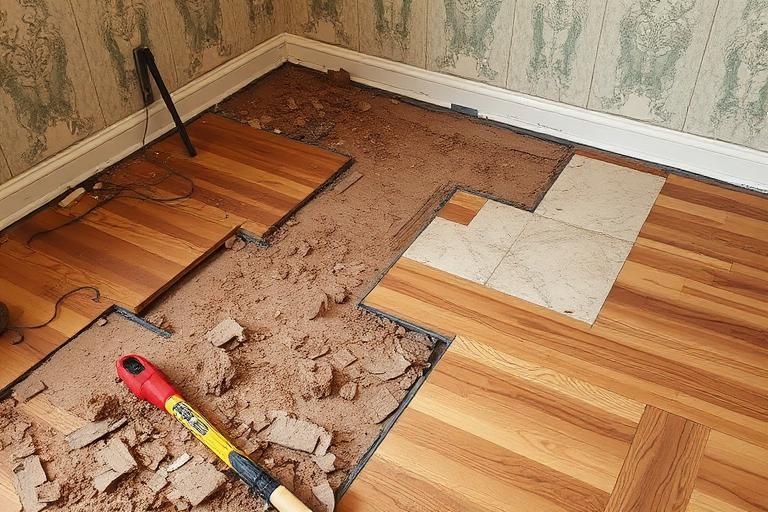
In a city as historic as Toronto, many buildings slated for demolition were constructed during an era when materials like asbestos and lead were commonly used. The presence of these hazardous substances is one of the most significant and variable cost factors in any demolition project. Before any structure can be torn down, provincial and federal regulations mandate a thorough hazardous materials survey. If asbestos is found in insulation, roofing, or floor tiles, or if lead paint is present on walls, it cannot be demolished conventionally. Instead, specialized abatement crews must be brought in to carefully remove and dispose of these materials while following strict safety protocols to prevent contamination. This process is labor-intensive, requires specialized equipment and certifications, and adds a substantial line item to the overall budget. The cost can vary dramatically depending on the extent and location of the hazardous materials within the building.
Navigating the Red Tape: Permit Fees and Municipal Regulations
Demolition in Toronto is a heavily regulated activity, and navigating the municipal bureaucracy comes with its own set of costs. Securing the necessary demolition permits from the City of Toronto demolition is a mandatory step that involves application fees, which are often calculated based on the size and type of project. Beyond the basic permit, additional approvals may be required. If the building is located in a heritage conservation district or holds a heritage designation, the process becomes more complex and costly, often requiring detailed plans for facade retention or careful deconstruction. Furthermore, Toronto’s strict noise and dust control bylaws may necessitate additional measures and permits, especially for projects in densely populated neighborhoods. A knowledgeable demolition contractor factors these municipal fees and the administrative time required to navigate the approval process into the overall project cost.
The Cost of Urban Logistics: Site Access and Storage
The logistical challenges of working in a dense urban environment like Toronto have a direct impact on demolition costs. Unlike a rural site with ample space for equipment maneuvering and material storage, an urban project is often constrained by neighboring buildings, busy streets, and limited yard space. If a site has poor access for large trucks, materials may need to be moved manually or with smaller equipment, increasing labor time. If there is no space on site to stage debris before hauling it away, the project may require a constant rotation of dumpsters and more frequent truck trips, each with associated costs. Street parking restrictions, the need for lane closures, and coordination with city traffic management all add layers of complexity and expense that a seasoned demolition company anticipates and includes in its planning.
Disposal Fees and Recycling Initiatives
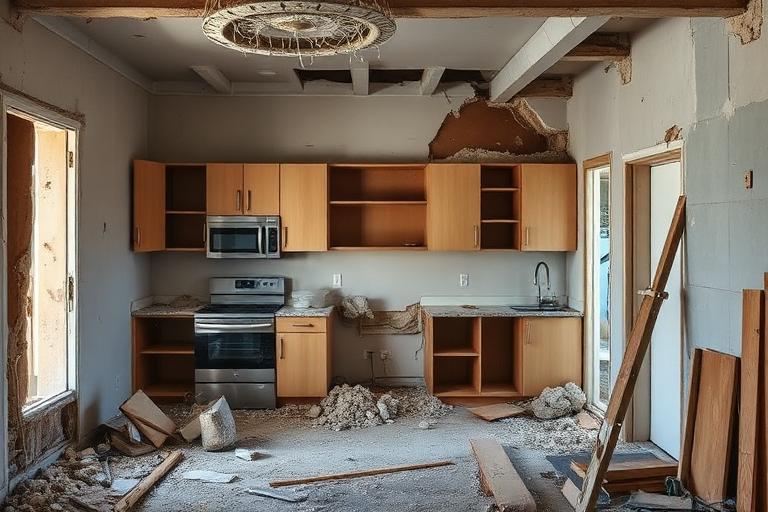
What happens to the mountain of debris after a building comes down is another significant cost consideration. Toronto-area landfills charge tipping fees based on the weight and type of material being disposed of. Clean concrete and masonry, for example, are often accepted at lower rates than mixed construction debris. This is where a company’s commitment to recycling can have a direct impact on the bottom line. Mammoth Demolition prioritizes sorting materials on site whenever possible, separating concrete, metal, wood, and gypsum for processing at recycling facilities. While this sorting requires additional labor, it can significantly reduce landfill tipping fees and aligns with the city’s sustainability goals. The fluctuating market for recycled materials, such as scrap metal, can also occasionally offset some costs, depending on commodity prices at the time of the project.
Equipment, Labor, and the Value of Expertise
Ultimately, the cost of demolition is the sum of the resources required to complete the job safely and efficiently. This includes the heavy equipment—excavators, loaders, crushers—that must be transported to the site and operated by skilled professionals. It includes the wages of the experienced crew members who understand how to bring down a structure methodically while protecting adjacent properties. And it includes the overhead costs of maintaining a safe, insured, and compliant operation. When evaluating a demolition quote, it is important to recognize that you are not just paying for equipment hours; you are paying for the expertise to anticipate problems, the insurance to protect you from liability, and the project management skills to ensure the job is done on time and on budget. A lower bid from an uninsured or inexperienced operator can quickly become a false economy if it leads to delays, damages, or regulatory fines.


