


The decision to upgrade your heating system shouldn’t feel like navigating a labyrinth of technical specifications and confusing jargon. Yet, that’s exactly what many homeowners face when they start shopping for new radiators. The market is flooded with options, each promising superior performance, energy efficiency, and longevity. But here’s the truth: not all radiators are created equal, and understanding what separates exceptional products from mediocre ones can save you thousands of pounds and years of frustration.
Aluminum radiators have surged in popularity over the past decade, and for good reason. They represent a significant evolution in heating technology, combining lightweight construction with impressive heat output. But walking into this purchase blind is like buying a car based solely on its color. You need to understand what’s under the hood, how it performs in real-world conditions, and whether it genuinely suits your specific needs.
The Science Behind Heat Transfer Efficiency
When you’re investing in a heating system, you’re essentially buying comfort and warmth. The first thing to grasp is how efficiently a radiator can convert energy into heat and distribute that heat throughout your room. This isn’t just about the maximum heat output listed on a specification sheet. It’s about understanding the thermal conductivity of the material, the surface area exposed to air, and how quickly the radiator responds to temperature changes.
Aluminum possesses exceptional thermal properties that make it particularly suited for modern heating demands. The material conducts heat approximately three times faster than steel, which means your rooms warm up significantly quicker after you switch on your heating. This rapid response time isn’t just convenient; it’s economically smart. You’re not wasting energy heating up the radiator itself for prolonged periods before it begins warming your living space.
Consider the surface design carefully. Radiators with more fins, channels, or convection panels create greater surface area contact with air, enhancing heat distribution through convection currents. Some manufacturers achieve this through innovative column designs, while others utilize specialized fin patterns. The geometry matters more than you might initially think. A radiator with poor surface design might have impressive raw heat output but struggle to distribute that warmth evenly across a room, creating hot spots near the unit and cold zones elsewhere.
Construction Quality and Longevity Indicators
Beneath the aesthetic appeal of any radiator lies the fundamental question of how long it will serve you reliably. Construction quality isn’t merely about avoiding leaks, though that’s certainly important. It encompasses the radiator’s ability to withstand pressure fluctuations, resist corrosion over decades, and maintain performance efficiency as it ages.
Examine the welding quality closely. Premium radiators feature seamless, uniform welds that create watertight seals capable of handling system pressures well beyond standard operating parameters. Poor welding appears irregular, with visible gaps or excessive material buildup. These weak points become failure risks years down the line, particularly in systems that experience frequent pressure cycling.
The thickness of the aluminum panels tells you about the manufacturer’s confidence in their product. Thicker panels resist deformation under pressure while maintaining the material’s lightweight advantages. Quality manufacturers understand this balance. You can often feel the difference by tapping on the radiator surface; substantial construction produces a solid, dampened sound, while flimsy panels create a hollow, tinny resonance.
Internal coating technology deserves your attention, even though you’ll never see it. Modern heating systems contain water with varying mineral contents and oxygen levels that can trigger internal corrosion over time. Superior radiators incorporate protective internal treatments, often ceramic or polymer-based coatings, that create barriers between the aluminum and potentially corrosive elements in the heating water. Ask manufacturers directly about their internal corrosion protection methods; evasive or vague answers should raise red flags.
Pressure Ratings and System Compatibility
Your radiator doesn’t exist in isolation. It’s one component within a complex heating system that includes boilers, pipes, valves, and circulation pumps, all working together under specific pressure conditions. Compatibility isn’t automatic, and assuming it is can lead to catastrophic failures or, at minimum, disappointing performance.
Every radiator carries a maximum working pressure rating, typically measured in bars. Standard domestic heating systems usually operate between one and three bars, but your system might differ, especially if you live in a multi-story building or have a particularly powerful boiler. Installing radiators rated below your system’s operating pressure is asking for trouble. The radiator might function initially, but over time, the constant stress weakens joints and seals, eventually leading to leaks or complete failure.
Equally important is understanding pressure testing standards. Reputable manufacturers test their products at pressures substantially higher than the rated working pressure to verify they can handle extreme conditions. Look for radiators that have undergone pressure testing at least twice their rated working pressure. This safety margin ensures that even during pressure spikes caused by faulty pumps or closed valves, your radiators won’t become liability issues.
Connection types vary between models and manufacturers, and compatibility with your existing pipework matters tremendously. Some radiators accept connections from the bottom, others from the side, and some offer flexible connection points. Consider your room layout, where pipes currently run, and how visible you want connections to be. Radiators requiring pipe rerouting might seem like bargains until you factor in plumber costs for modifying your existing system. Sometimes paying more for a radiator with conveniently positioned connections saves money overall.
Understanding Material Thickness and Build Standards
When evaluating potential purchases, the physical construction standards reveal everything about a manufacturer’s commitment to quality. Aluminum Radiators constructed with precision engineering demonstrate their value through consistent panel thickness, reinforced stress points, and meticulous attention to joining methods. The difference between adequate and exceptional construction becomes apparent when you examine corner joints, where multiple panels meet and structural integrity faces its greatest test.
Panel thickness varies considerably across price points, and this variation directly impacts both performance and durability. Thinner panels might save manufacturers money on materials, but they sacrifice heat retention capacity and structural resilience. When panels flex under pressure or temperature cycling, joints experience additional stress that accelerates wear and increases leak risk over the radiator’s lifespan.
Premium manufacturers employ advanced alloy compositions that enhance corrosion resistance without compromising thermal conductivity. These specialized alloys cost more than standard aluminum but deliver significantly longer service lives, particularly in heating systems with less-than-ideal water quality. The difference might not be immediately apparent, but over ten or fifteen years, it determines whether your radiators maintain peak performance or gradually degrade.
The finishing process also reveals construction quality. High-quality powder coating requires careful surface preparation, controlled application, and proper curing. Shortcuts in any of these steps result in finishes that chip easily, fade unevenly, or trap moisture against the aluminum surface where it can initiate corrosion. Inspect radiators closely for finish uniformity, paying particular attention to recessed areas, joints, and the back surface that faces the wall. Inconsistent coating suggests rushed manufacturing processes that likely compromise other quality aspects as well.
Heat Output Calculations Versus Marketing Claims
Manufacturers love impressive numbers. Heat output figures, measured in British Thermal Units (BTUs) or watts, appear prominently in marketing materials because higher numbers seem inherently better. But here’s where many buyers stumble: those figures represent theoretical maximums under specific test conditions that rarely match real-world installations.
Understanding delta T values is crucial. This technical term refers to the temperature difference between the average water temperature flowing through the radiator and the room’s ambient temperature. Manufacturers typically test radiators at delta T 50, meaning the average water temperature is fifty degrees Celsius higher than room temperature. Your actual heating system might operate at delta T 40 or even delta T 30, especially if you’ve got a condensing boiler optimized for lower flow temperatures. At these lower delta T values, the radiator’s actual heat output drops significantly compared to the advertised figure.
Don’t just accept the manufacturer’s heat output claims at face value. Ask for performance data at multiple delta T values. Responsible manufacturers provide charts showing how output varies across different operating temperatures. This transparency allows you to calculate whether a radiator genuinely meets your room’s heating requirements based on your specific system parameters rather than idealized test conditions.
Room sizing calculations require honesty about your space’s characteristics. A room with large windows, poor insulation, high ceilings, or northern exposure needs substantially more heat output than a well-insulated room of the same floor area. Online BTU calculators offer starting points, but they can’t account for every variable in your specific situation. Consider consulting with a heating engineer who can perform accurate heat loss calculations for your rooms, ensuring you select radiators that will actually keep your spaces comfortable without running continuously at maximum capacity.
The relationship between radiator size and heat output isn’t always straightforward. Two radiators with identical dimensions from different manufacturers might deliver vastly different heat outputs due to variations in internal water channel design, fin configuration, or panel depth. Don’t assume that physical size correlates directly with heating capacity. Always verify actual performance specifications rather than estimating based on visual appearance.
Aesthetic Integration and Design Flexibility
Radiators occupy significant wall space in your home, and while their primary function is heating, their visual impact shouldn’t be dismissed as superficial consideration. The radiator that performs brilliantly but clashes horribly with your interior design might frustrate you every time you enter the room.
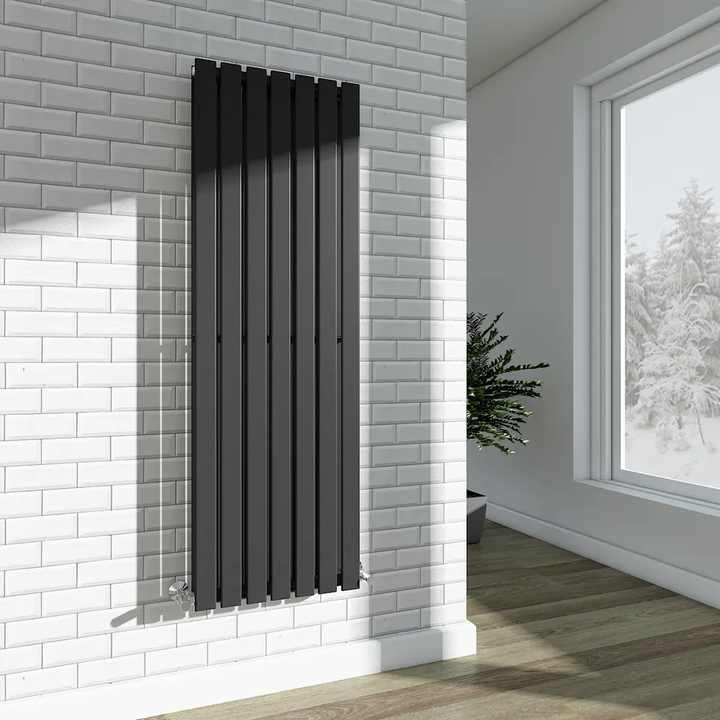
Aluminum’s malleability allows manufacturers to create diverse designs that were impractical or impossible with traditional cast iron or steel. You’ll find radiators with minimalist flat panels, contemporary vertical columns, sculptural shapes that double as design features, and everything between these extremes. The question isn’t which design is objectively best, but which genuinely complements your space while delivering required performance.
Finish quality varies dramatically between budget and premium options. Superior powder coating creates durable, even finishes that resist chipping, fading, and scratching over years of use. Cheaper finishes might look acceptable initially but deteriorate quickly, especially on radiators positioned where they’re likely to be bumped or brushed against regularly. Examine sample radiators in person when possible, running your hand across the surface to feel for roughness, unevenness, or poor coverage around welds and joints.
Color options extend beyond standard white. Many manufacturers offer extensive color palettes, allowing radiators to blend seamlessly with walls or stand out as accent features. Some even offer custom color matching services. However, remember that non-white finishes sometimes command premium prices and may have longer lead times. If color matters to your design vision, factor these considerations into your planning and budget.
Size flexibility matters more than many buyers initially realize. Rooms have specific dimensions, window placements, furniture arrangements, and door locations that constrain where radiators can practically go. Manufacturers offering extensive size ranges, including custom dimensions, provide solutions for challenging spaces. A radiator that’s slightly too tall for the wall space under your window or too wide for the gap between a door frame and corner creates installation headaches and potentially compromises performance if you’re forced to choose an undersized alternative.
Valve Technology and Control Integration
The radiator itself represents only part of your heating control equation. The valves that regulate water flow through it determine how precisely you can control temperatures and how efficiently your system operates. Investing in quality radiators while skimping on valves is like buying a sports car and filling it with the cheapest fuel available.
Thermostatic radiator valves (TRVs) have evolved significantly beyond simple manual controls. Modern TRVs incorporate sensors that detect room temperature and automatically adjust water flow to maintain your set point. This automation prevents overheating, reduces energy waste, and creates more consistent comfort. The quality difference between basic and premium TRVs manifests in temperature sensing accuracy, response speed, and mechanical reliability over thousands of adjustment cycles.
Smart valve integration represents the cutting edge of heating control. These devices connect to your home network, allowing remote control via smartphone apps, integration with whole-home automation systems, and learning algorithms that adapt to your schedule automatically. Some smart valves provide detailed energy consumption data, helping you identify inefficiencies and optimize your heating strategy. While smart valves cost more upfront, the energy savings they enable can recoup the investment over time.
Consider valve positioning options. Angled valves suit radiators where pipes emerge from floors or walls at oblique angles, while straight valves work when pipes approach perfectly horizontally. Some radiators accommodate both configurations, providing installation flexibility. The valve quality affects aesthetics too; premium valves feature sleek, minimal designs that complement contemporary radiators, while cheap valves can undermine an otherwise attractive installation.
Warranty Coverage and Manufacturer Reputation
The heating industry is filled with established manufacturers with decades of experience alongside newer companies offering seemingly incredible value. Differentiating between genuine value and false economy requires looking beyond prices to understand what happens after purchase.
Warranty terms reveal manufacturer confidence levels. Companies that offer ten or fifteen-year warranties on their radiators clearly believe their products will last. They’ve tested extensively, refined manufacturing processes, and know their products withstand time. Contrast this with manufacturers offering only one or two-year coverage. They might be pricing aggressively because they know a significant percentage of their products will fail within several years, and they’ve calculated that warranty replacements plus low prices still yield acceptable profit margins.
Read warranty terms carefully, not just warranty duration. Some warranties cover manufacturing defects but exclude damage from system issues like excessive pressure or contaminated water. Others provide comprehensive coverage including installation errors or component failures. Understand what’s actually protected and what conditions might void your coverage. Also, investigate the warranty claim process. Companies with straightforward, customer-friendly claim procedures stand behind their products genuinely, while those with Byzantine claim requirements might be creating barriers to discourage warranty redemption.
Manufacturer longevity and reputation matter because you need assurance they’ll still exist in ten years when you might need replacement parts or warranty service. Research company backgrounds, read customer reviews across multiple platforms, and look for patterns in feedback. A handful of negative reviews exists for virtually every product, but consistent complaints about specific issues like leaking joints or corroded panels indicate systematic problems rather than isolated incidents.
Installation Considerations and Hidden Costs
The advertised radiator price rarely represents your total expense. Installation costs, potentially required system modifications, and ancillary components can substantially inflate your investment. Understanding these factors before purchasing helps avoid unpleasant budget surprises.
Weight differences between aluminum and steel radiators affect installation labor. Aluminum’s lighter weight simplifies handling and wall mounting, potentially reducing installation time and labor costs. However, ensure your walls can support even lightweight radiators when filled with water. Plasterboard walls might require additional reinforcement or specialized mounting brackets that add expense.
Pipe modifications represent another potential cost variable. If your new radiators have different connection configurations than your existing ones, plumbers need to modify pipework. This might involve cutting, joining, and repositioning pipes, all adding to labor hours. Radiators accepting multiple connection types minimize this issue, allowing installers to adapt to existing pipe positions more easily.
Bleeding valves, mounting brackets, wall protectors, and pipe covers often cost extra rather than coming standard with the radiator. These components might seem minor, but they add up across multiple radiator installations. Get complete parts lists from suppliers before finalizing purchases to understand true total costs.
Professional installation versus DIY represents another decision point. While installing radiators might seem straightforward, mistakes can cause expensive damage. Improperly tightened connections leak. Incorrectly positioned brackets allow radiators to pull away from walls. Failed bleeding procedures trap air that reduces heating efficiency. Unless you possess genuine plumbing experience, professional installation usually represents wise investment. The labor cost might seem substantial, but it’s modest compared to repairing damage from botched DIY installation attempts.
Making Your Final Decision
Selecting radiators involves balancing multiple factors: performance requirements, budget constraints, aesthetic preferences, and system compatibility. No single radiator suits every situation perfectly, and understanding your priorities helps navigate inevitable compromises.
Create a decision matrix listing your essential requirements versus nice-to-have features. Essential requirements might include minimum heat output for your room size, compatibility with your system pressure, and warranty duration. Nice-to-have features could encompass specific color options, ultra-slim profiles, or smart valve compatibility. This structured approach prevents emotional decision-making based on attractive designs that might not meet your actual needs.
Don’t rush the purchase. Radiators represent significant investments that you’ll live with for decades. Spending additional weeks researching options, consulting professionals, and comparing alternatives pays dividends through better outcomes. The frustration of a hastily chosen radiator that underperforms or fails prematurely far exceeds any convenience gained by quick purchasing decisions.
Remember that cheapest rarely means best value. The radiator that costs twenty percent less but needs replacing in eight years instead of twenty years ultimately costs significantly more when you factor in replacement expense and installation labor. Value encompasses total cost of ownership over the product’s lifespan, not just initial purchase price.
Get multiple quotes when possible. Prices for identical radiators can vary considerably between suppliers, and you might discover package deals or seasonal promotions that provide genuine savings. However, be skeptical of prices that seem too good to be true. Dramatically underpriced radiators might be factory seconds, outdated models, or products from manufacturers with questionable quality control.
Conclusion
Purchasing aluminum radiators requires more thoughtfulness than many buyers initially expect. The decision encompasses technical considerations about heat output and system compatibility, practical factors like installation requirements and valve options, and personal preferences regarding design and aesthetics. Success comes from thoroughly understanding your specific needs, carefully evaluating how different radiators meet those needs, and choosing products from manufacturers who demonstrate genuine commitment to quality and customer satisfaction.
The market offers exceptional aluminum radiators that will serve you reliably for decades while efficiently heating your home and complementing your interior design. It also offers mediocre products marketed to appear competitive but lacking the quality fundamentals that ensure lasting performance. Your job as a buyer is distinguishing between these categories through careful research, thoughtful questioning, and honest assessment of your requirements versus marketing claims.
Approach this purchase with patience and diligence. Consult with heating professionals who can provide expert guidance specific to your situation. Read beyond marketing materials to understand actual product specifications and real-world performance characteristics. Consider the total cost of ownership, including installation, energy consumption, and maintenance over the radiator’s expected lifespan. By investing time upfront to make informed decisions, you’ll enjoy years of comfortable, efficient heating and avoid the costly mistakes that plague buyers who prioritize speed or lowest price over genuine value and quality. The right radiators transform your home’s comfort while operating efficiently in the background, and that outcome is worth the effort required to choose wisely.


