


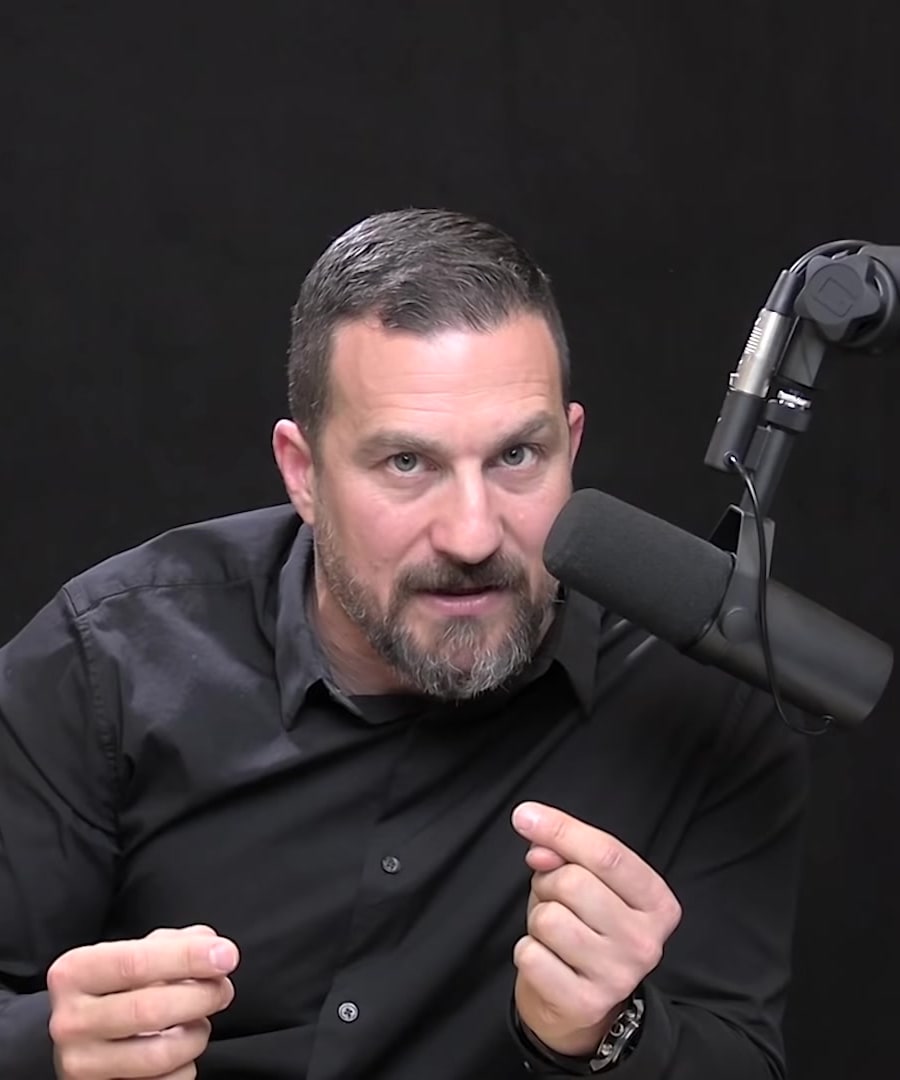
When we think about brain health, the mind often jumps to crossword puzzles or memory supplements. But Andrew Huberman, a Stanford neurobiology professor, takes a fundamentally different approach. He views brain health not as something you address with a single activity, but as the cumulative result of daily inputs that shape how your nervous system functions. From the moment you wake to the moment you sleep, your brain is constantly being remodeled based on what you expose it to—light, food, movement, even the temperature of your shower. Huberman’s protocols are refreshingly simple, grounded in neuroscience, and designed to fit into a normal day. They focus less on doing more and more on aligning your daily habits with the brain’s innate operating system.
Morning Sunlight as a Brain-Reset Button
Huberman places enormous emphasis on the first hour after waking, calling it the most critical window for brain health. The eyes contain specialized cells that signal directly to the brain’s master clock, and these cells respond most powerfully to the specific spectrum of light present at sunrise. Getting ten to twenty minutes of morning sunlight—ideally without sunglasses and, if safe, without windows or windshields filtering the light—does far more than wake you up. It triggers a cascade of neural events that set your cortisol rhythm, determine when melatonin will be released that night, and even influence your baseline dopamine levels throughout the day. This single practice, according to Huberman, does more for mood, focus, and sleep quality than any supplement or gadget on the market. On overcast days, even the ambient light outside is significantly brighter than indoor lighting and still provides meaningful benefit.

Deliberate Cold Exposure for Neural Resilience
One of the more challenging but profoundly effective protocols Huberman advocates is deliberate cold exposure. He explains that brief, intentional exposure to cold water—typically a cold shower or an ice bath—triggers the release of norepinephrine, a neurotransmitter that acts on the brain like a combination of adrenaline and focus-enhancing clarity. This norepinephrine surge not only sharpens alertness for hours afterward but also promotes a state of neural adaptability that primes the brain for learning and stress management. Perhaps more importantly, the practice of willingly entering discomfort trains what Huberman calls the “anterior mid-cingulate cortex,” a brain region associated with perseverance and the ability to push through resistance. By choosing to do something your brain instinctively wants to avoid, you literally strengthen the neural circuitry for willpower and resilience, building a brain that is better equipped to handle life’s inevitable challenges.
Nutritional Timing and Brain Energy
While Huberman doesn’t prescribe a one-size-fits-all diet, he emphasizes that when you eat matters significantly for brain function. He explains that the brain consumes roughly twenty percent of the body’s energy, and its preferred fuel is glucose. However, the timing of glucose intake influences mental clarity. For many people, consuming large carbohydrate-heavy meals in the middle of the day can lead to an afternoon energy crash as insulin drives glucose into cells, leaving the brain temporarily under-fueled. Huberman suggests being strategic about meal composition and timing—prioritizing protein and healthy fats earlier in the day to sustain steady mental energy, and reserving larger carbohydrate intake for later when a slight post-meal calming effect may actually support sleep. Additionally, he emphasizes hydration, noting that even mild dehydration measurably impairs cognitive performance, reaction time, and mood.
Movement as Brain Fertilizer
Physical exercise is often discussed in terms of muscle or cardiovascular health, but Huberman reframes movement as essential brain maintenance. He explains that exercise stimulates the release of brain-derived neurotrophic factor, a protein that acts like fertilizer for neurons, supporting their growth, survival, and ability to form new connections. Different types of movement offer different benefits: long, steady-state cardiovascular exercise tends to enhance focus and neurogenesis in the hippocampus, the brain’s memory center. High-intensity interval training spikes adrenaline and growth hormone, promoting neural alertness and metabolic health. And resistance training has been shown to improve executive function and cognitive flexibility. Rather than choosing one type, Huberman suggests incorporating variety throughout the week, treating movement not as something you do for your body alone, but as a non-negotiable investment in the health of your nervous system.
Strategic Rest and Non-Sleep Deep Rest
One of the most counterintuitive yet powerful brain health protocols Huberman promotes is deliberate rest. He argues that the brain does not consolidate learning, process emotions, or clear metabolic waste during periods of constant activity. Instead, these critical functions occur during states of rest—particularly during sleep and during focused relaxation practices like yoga nidra, which he refers to as non-sleep deep rest. Huberman recommends incorporating ten to twenty minutes of NSDR daily, especially after periods of intense learning or cognitive demand. This practice allows the brain to enter a state of deep restoration without requiring sleep, improving memory consolidation, emotional regulation, and even physical recovery. He emphasizes that rest is not the absence of productivity but an active biological process essential for maintaining a healthy, high-performing brain over the long term.
Evening Light Management for Neural Protection
Just as morning light sets the brain’s rhythm, evening light plays a crucial role in protecting brain health. Huberman explains that exposure to bright artificial light—particularly overhead lights and screens—between the hours of ten PM and four AM has a disproportionately suppressive effect on melatonin, the hormone that orchestrates sleep and serves as a powerful antioxidant for brain cells. Chronic nighttime light exposure has been linked not only to poor sleep but to increased risk of neurodegenerative conditions over time. His practical protocol is straightforward: dim the lights in the hours leading up to bedtime, use lamps rather than overhead fixtures, and consider wearing blue-blocking glasses if evening screen use is unavoidable. Additionally, viewing the setting sun—when possible—provides a secondary light cue that reinforces the brain’s circadian rhythm, signaling that the day is ending and preparing the nervous system for the deep restoration that follows.


