


Dermal filler injections have become one of the most sought-after non-surgical cosmetic treatments worldwide, offering a way to restore volume, smooth out lines, and enhance facial contours without going under the knife. For those exploring Dermal Fillers Injections in Dubai, the growing demand reflects a broader shift toward minimally invasive aesthetics that deliver visible results with little to no downtime. Clinics like Dynamic Life Clinics have become part of this thriving scene, catering to patients who want science-backed treatments carried out in a professional setting.
What Are Dermal Fillers Made Of?
Most dermal fillers available today are based on hyaluronic acid (HA), a substance that naturally exists in the human body — particularly in the skin, joints, and connective tissues. HA has a remarkable ability to bind water molecules, which is what gives skin its plumpness and hydration. When injected, synthetic HA mimics this natural behavior, integrating into the tissue and drawing moisture to the treated area.
Other types of fillers include:
- Calcium hydroxylapatite — a mineral-like compound found naturally in bones, used for deeper volume loss
- Poly-L-lactic acid — a biodegradable synthetic substance that stimulates collagen production over time
- Polymethylmethacrylate (PMMA) — a semi-permanent option used for deeper facial folds
Each formulation has a specific consistency, density, and duration, which is why the choice of filler type matters depending on the treatment area and the result being targeted.
The Science Behind the Injection Process
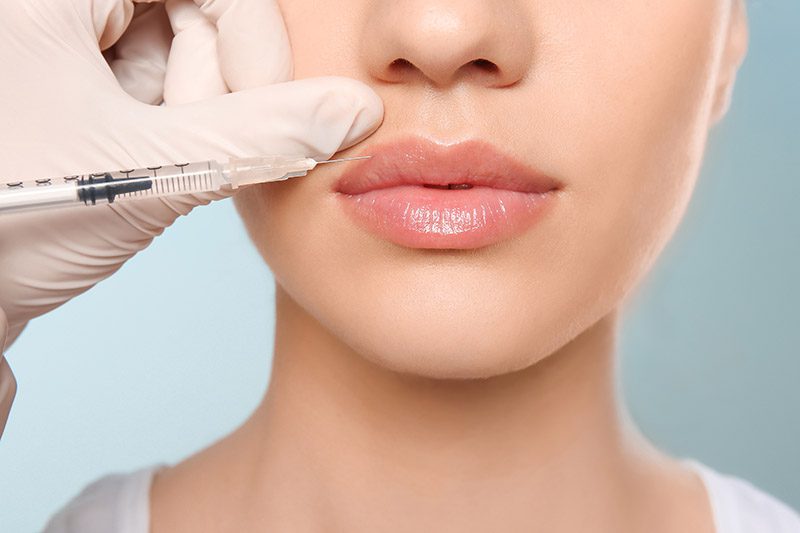
When a filler is introduced beneath the skin, it occupies the space that has been lost due to aging, fat redistribution, or natural facial structure. The gel-like substance fills in depressions, lifts sagging areas, and adds structural support to regions like the cheeks, jawline, lips, and under-eye hollows.
Hyaluronic acid fillers work by cross-linking — a chemical process that bonds HA molecules together to create a more stable and longer-lasting gel. The degree of cross-linking determines how firm or soft the filler feels, and practitioners choose different formulas depending on whether they’re targeting fine lines or deeper volumetric loss.
Once injected, the filler begins to integrate with surrounding tissue. In the case of biostimulatory fillers like poly-L-lactic acid, the material also triggers fibroblast activity, encouraging the body to produce its own collagen over the following weeks and months.
Treatment Areas and What to Expect
Dermal fillers are used across a wide range of facial zones, each requiring a different technique and product type:
- Nasolabial folds — the lines running from the nose to the corners of the mouth
- Lips — for definition, volume, and symmetry
- Cheeks — to restore midface volume and lift
- Jawline and chin — for structural contouring and definition
- Tear troughs — the hollow areas beneath the eyes
- Temples — an often-overlooked area that loses volume significantly with age
The procedure itself typically takes between 20 and 45 minutes. A topical numbing cream is usually applied beforehand, and many HA fillers also contain lidocaine — a local anaesthetic — within the formula itself, which helps manage any discomfort during the injection.
How Long Do Results Last?
The longevity of dermal fillers varies based on the type used, the area treated, and individual metabolism. Hyaluronic acid fillers generally last between 6 to 18 months. Areas with more movement, such as the lips, tend to break down filler faster than areas like the cheeks or temples where there’s less repetitive motion.
Biostimulatory fillers can offer results that extend beyond two years in some cases, though results build gradually rather than appearing immediately. The body metabolizes filler material over time through natural enzymatic processes, and HA fillers in particular can be dissolved using hyaluronidase if a patient wants to reverse or adjust their results.
Safety, Qualifications, and What Makes a Good Candidate
Dermal filler injections are considered safe when performed by a trained and experienced medical professional using approved products. In Dubai, aesthetic medicine is regulated, and practitioners administering injectables are required to meet professional standards.
Good candidates for dermal fillers are generally adults who:
- Are in good overall health
- Have realistic expectations about outcomes
- Are not pregnant or breastfeeding
- Do not have active skin infections or inflammatory conditions in the target area
A thorough consultation is essential before any treatment. This involves assessing facial anatomy, discussing the patient’s aesthetic goals, reviewing medical history, and determining the most appropriate filler type and technique.
Aftercare and Recovery
One of the main reasons dermal fillers have grown so popular in Dubai’s fast-paced lifestyle is the minimal recovery involved. Most patients return to their normal activities the same day or the day after treatment.
Common post-treatment guidelines include:
- Avoiding intense exercise for 24 to 48 hours
- Staying out of direct heat, saunas, and steam rooms for at least 48 hours
- Not applying pressure or massaging the treated area unless instructed
- Avoiding blood-thinning medications and alcohol for at least 24 hours before and after
Mild swelling, redness, or bruising at the injection sites is normal and typically resolves within a few days.
Conclusion
Understanding how dermal filler injections work helps patients make informed decisions rather than choosing a treatment based on trends alone. From the biochemistry of hyaluronic acid to the precision required in facial anatomy, there’s a genuine science underpinning what can look like a simple cosmetic procedure. For residents and visitors exploring Dermal Fillers Injections in Dubai, seeking out a qualified medical professional and having a detailed consultation remains the most important first step toward a safe and satisfying outcome.


