


A roof is one of the most important parts of any home, yet it is often overlooked until a major issue appears. Small leaks, loose shingles, clogged gutters, and poor ventilation can slowly create expensive problems that homeowners do not notice right away. Preventive maintenance helps protect both the structure of a home and the long-term value of the property.
Many homeowners wait until visible damage occurs before taking action. Unfortunately, by that point, repairs are usually more expensive and time-consuming. Taking a proactive approach can reduce emergency repairs, improve energy efficiency, and help a roofing system last significantly longer.
Why Preventive Roof Maintenance Matters
Roofs face constant exposure to weather conditions throughout the year. Sunlight, rain, wind, humidity, and seasonal storms gradually wear down roofing materials. Even durable roofing systems can deteriorate faster without regular care.
Preventive maintenance provides several important benefits:
- Helps identify minor issues before they become costly repairs
- Extends the lifespan of roofing materials
- Improves overall home energy efficiency
- Protects insulation and attic structures from moisture damage
- Maintains curb appeal and property value
- Reduces the likelihood of emergency repairs after storms
Routine maintenance is not only about fixing visible problems. It also involves monitoring the overall condition of the roofing system to ensure every component works properly.
Common Roofing Problems Homeowners Overlook
Many roofing issues develop gradually and remain hidden for months. Understanding the most common warning signs can help homeowners respond quickly.
Damaged or Missing Shingles
Shingles are the first layer of defense against the elements. Over time, they may crack, curl, loosen, or disappear entirely due to strong winds and aging.
When shingles are compromised, moisture can penetrate the underlayment and eventually affect the decking beneath the roof.
Poor Drainage
Gutters and downspouts play a major role in protecting a roof. Water that cannot drain correctly may pool along the roofline or seep into vulnerable areas.
Clogged gutters are one of the leading causes of water-related roofing damage. Leaves, branches, and debris should be removed regularly, especially during seasonal changes.
Flashing Deterioration
Flashing seals roof transitions around chimneys, vents, skylights, and valleys. If flashing becomes loose or corroded, water can enter the home even if shingles appear intact.
Because flashing problems are difficult to detect from the ground, inspections are especially important.
Ventilation Issues
Proper attic ventilation helps regulate moisture and temperature levels. Poor ventilation can trap heat during summer and moisture during colder months.
This imbalance may lead to:
- Mold growth
- Wood rot
- Increased energy costs
- Premature shingle deterioration
- Ice dam formation in colder regions
A balanced ventilation system supports the overall health of the roof and the home.
Seasonal Roof Maintenance Tips
Every season presents unique challenges for roofing systems. Homeowners who adjust their maintenance routines throughout the year can better protect their property.
Spring
Spring is an ideal time to inspect roofs after winter weather.
Homeowners should:
- Check for loose or damaged shingles
- Remove debris from gutters
- Look for signs of water intrusion in the attic
- Examine flashing around vents and chimneys
Spring maintenance helps prepare the roof for heavy rain and summer heat.
Summer
High temperatures and prolonged UV exposure can weaken roofing materials over time.
During summer:
- Inspect for blistering shingles
- Check attic ventilation performance
- Trim nearby tree branches
- Monitor for signs of sagging or structural stress
Trees that hang over the roof may scrape shingles or drop debris during storms.
Fall
Fall maintenance focuses heavily on drainage preparation.
Leaves often accumulate in gutters and valleys, creating water flow problems. Cleaning gutters before winter helps prevent moisture buildup and roof leaks.
Fall is also a smart time to schedule professional inspections before colder weather arrives.
Winter
Winter conditions can be particularly harsh on roofs.
Homeowners should watch for:
- Ice accumulation
- Interior ceiling stains
- Drafts near attic spaces
- Excessive snow loads
Promptly addressing winter-related issues can prevent larger structural concerns.
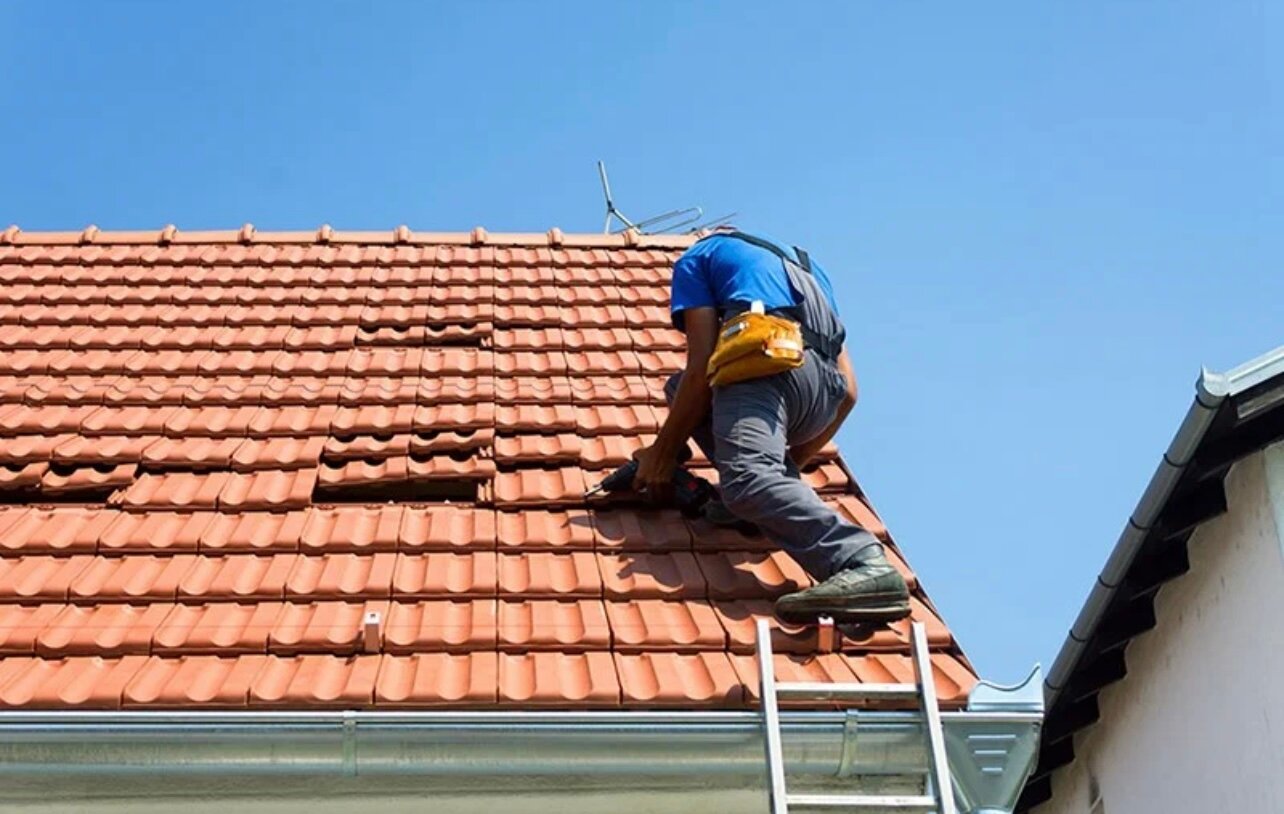
The Importance of Professional Roof Inspections
While homeowners can perform basic visual checks, professional inspections provide a more detailed evaluation.
Experienced roofing professionals can identify subtle signs of wear that may not be visible from the ground. They also understand how different roofing materials respond to climate conditions and aging.
A professional inspection often includes:
- Evaluation of shingles and underlayment
- Flashing assessment
- Drainage inspection
- Structural review
- Ventilation analysis
- Leak detection
For homeowners seeking additional information about maintaining and protecting their roofing systems,roofing Peachtree City can provide valuable context regarding roofing solutions and exterior maintenance considerations.
How Preventive Maintenance Saves Money
Many homeowners hesitate to invest in routine maintenance because they assume it adds unnecessary expense. In reality, preventive care usually reduces long-term costs.
Minor repairs are significantly less expensive than full roof replacements or extensive water damage restoration.
For example:
- Replacing a few damaged shingles costs far less than replacing water-damaged decking
- Cleaning gutters helps avoid foundation and drainage problems
- Repairing flashing early may prevent mold remediation expenses
- Improving ventilation can lower energy bills and reduce HVAC strain
Preventive maintenance also supports insurance claims by demonstrating responsible property care.
Choosing the Right Roofing Materials
Different roofing materials require different maintenance approaches. Climate, budget, and architectural style all influence the best choice for a home.
Asphalt Shingles
Asphalt shingles remain one of the most common residential roofing materials because they are affordable and relatively easy to maintain.
They perform well in many climates but should still be inspected regularly for granule loss and wind damage.
Metal Roofing
Metal roofs are known for durability and longevity. They resist many weather-related issues but may still require inspections for fastener movement and sealant wear.
Tile Roofing
Tile roofs offer excellent visual appeal and long-term durability. However, cracked tiles should be replaced promptly to avoid moisture penetration.
Architectural Shingles
Architectural shingles provide enhanced durability and aesthetic appeal compared to traditional three-tab shingles.
They often perform better under harsh weather conditions and can increase curb appeal.
Signs It May Be Time for a Roof Replacement
Even with proper maintenance, every roof eventually reaches the end of its lifespan.
Some signs that may indicate replacement is necessary include:
- Frequent leaks
- Widespread shingle damage
- Sagging rooflines
- Extensive moss or algae growth
- Repeated repair needs
- Noticeable aging beyond expected material lifespan
Homeowners who recognize these signs early can plan strategically rather than facing emergency replacement situations.
Building a Long-Term Roof Care Strategy
The best roofing maintenance plans are consistent rather than reactive. Scheduling annual inspections, addressing repairs promptly, and monitoring seasonal changes can dramatically improve roof performance.
Homeowners who stay proactive often enjoy:
- Lower maintenance costs over time
- Better protection during severe weather
- Improved indoor comfort
- Increased property value
- Greater peace of mind
A roof protects nearly every part of a home. Investing in regular maintenance is one of the smartest ways to preserve that protection for years to come.


