


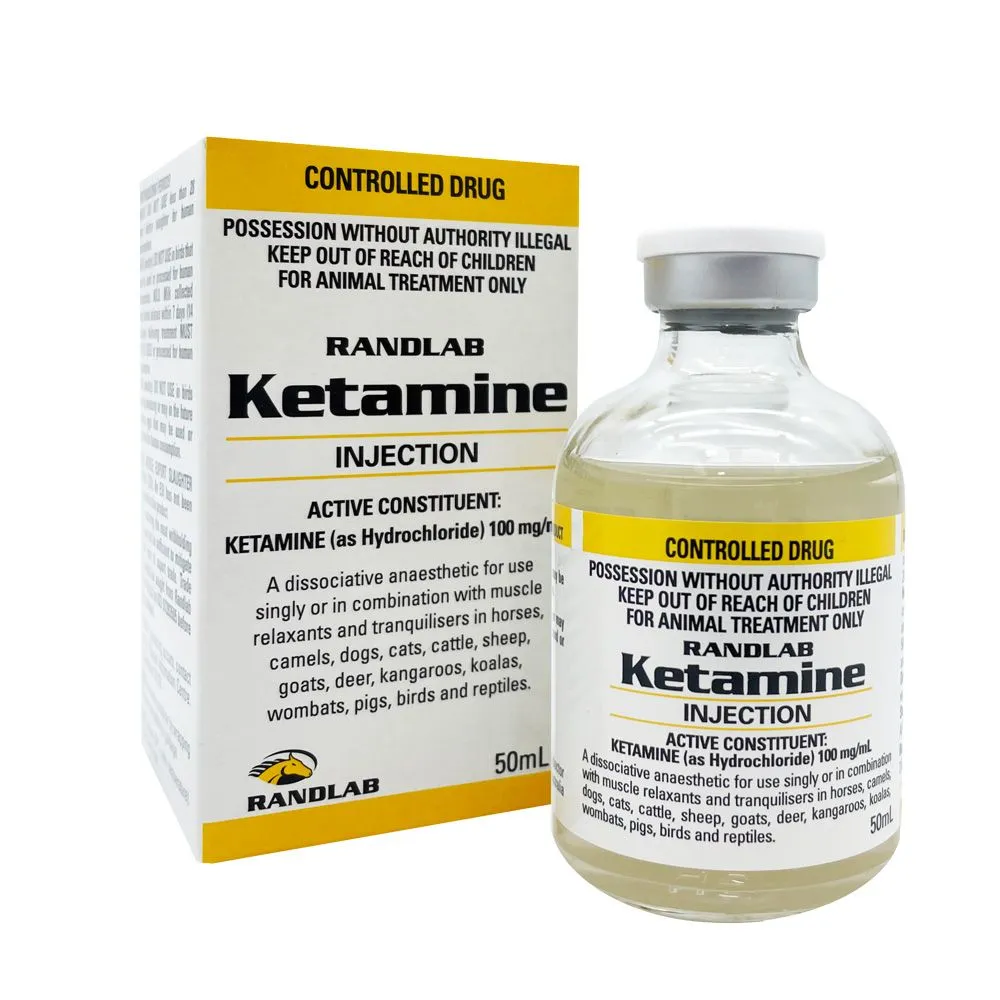
If you are a horse owner or equine caretaker, you may have heard about ketamine as a powerful anesthetic used in veterinary medicine. But unlike everyday supplements or dewormers, ketamine is a controlled substance that requires careful handling, a valid veterinary prescription, and a solid understanding of its effects. At Horse Medicine Store, we believe in educating horse owners before they ever ask for a medication. ketamine for horses is not a first-aid kit staple—it is a prescription drug reserved for specific procedures and pain management scenarios. When used correctly under professional guidance, it can be a lifesaver for horses undergoing surgery or severe pain. However, misuse can lead to serious complications, legal trouble, and harm to your animal. This article walks you through the legitimate uses, proper dosing, and critical safety tips every horse owner should know.
Understanding How Ketamine Works in Horses
Ketamine is a dissociative anesthetic, which means it creates a trance-like state where the horse feels detached from pain and environmental stimuli without fully losing consciousness. Unlike some anesthetics that heavily suppress breathing or heart rate, ketamine allows a horse to keep its airway reflexes intact and maintain stable cardiovascular function. This makes it particularly valuable in equine medicine, where large body mass and flight instincts complicate sedation. When a veterinarian administers ketamine, it acts on the brain’s NMDA receptors, blocking pain signals and producing amnesia. However, ketamine alone can cause muscle rigidity and uncontrolled recovery, so it is almost always combined with a sedative or muscle relaxant like xylazine or diazepam. This combination provides smooth induction and recovery, turning a potentially dangerous procedure into a manageable one. Understanding this mechanism helps explain why you should never try to “guesstimate” a dose or use ketamine as a standalone tranquilizer at home.
Common Medical Uses for Equine Ketamine
Veterinarians rely on ketamine for several specific situations in horses. The most common use is as part of a balanced anesthesia protocol for short surgical procedures, such as castration, wound debridement, laceration repair, or dental extractions. Because ketamine works quickly and wears off relatively fast, it is ideal for procedures lasting fifteen to thirty minutes. Another growing use is low-dose ketamine infusions for managing chronic or severe pain, especially in cases of laminitis, colic surgery recovery, or musculoskeletal trauma. These sub-anesthetic doses help reduce pain without full sedation, allowing the horse to rest more comfortably. Ketamine is also occasionally used to control refractory seizures when other medications fail. What ketamine is not used for is routine handling, trailering anxiety, or mild behavioral issues—turning to ketamine for those purposes is dangerous and illegal. Always let your veterinarian decide whether ketamine is medically necessary based on a thorough examination.
Proper Dosage and Administration Guidelines
Dosage of ketamine for horses depends on the purpose, the horse’s weight, and the combination of other drugs used. General anesthesia requires a typical intravenous dose of 2.2 mg per kilogram of body weight, but only after premedication with a sedative like xylazine (0.5 to 1.1 mg/kg). For low-dose pain management, a constant rate infusion might deliver 0.5 to 1.0 mg/kg per hour, carefully adjusted by a veterinarian. Inaccurate dosing is a serious risk because horses vary greatly in metabolism and sensitivity. Giving too little ketamine can cause inadequate anesthesia, leading to sudden movement during surgery. Giving too much can result in prolonged recovery, respiratory depression, or dangerous excitement when the horse wakes up. Administration is almost always intravenous for anesthesia, though intramuscular injections are possible in emergency field settings. Only trained professionals should handle ketamine administration—never attempt to inject your horse yourself unless your veterinarian has specifically taught you and prescribed a precise protocol. The rule of thumb is simple: if you haven’t calculated the dose with your vet, do not use it.
Essential Safety Tips for Horse Owners
Safety starts before the ketamine ever touches your horse. First, always keep ketamine stored in a locked, cool, dry place out of reach of children and unauthorized adults, as it is a controlled substance. Second, never buy ketamine from unverified online sources or “horse medicine stores” that do not ask for a prescription—these are illegal operations that may sell fake or contaminated drugs. Third, ensure your horse has been fasted appropriately if anesthesia is planned, typically no grain for six to twelve hours, to reduce the risk of reflux or aspiration. Fourth, have emergency equipment ready, including a clean airway, a way to monitor heart rate and breathing, and your veterinarian’s emergency contact number. Fifth, do not leave a ketamine-sedated horse unattended during recovery; they can thrash and injure themselves if startled. Finally, keep thorough records of every dose, date, and administration method, as you may need to report usage to regulatory authorities. Following these tips not only protects your horse but also keeps you legally compliant.
Recognizing and Managing Side Effects
Even when used correctly, ketamine can produce side effects in horses. The most common are rough or violent recovery from anesthesia, characterized by paddling limbs, uncoordinated attempts to stand, or sudden panicked movements. This is why veterinarians often administer sedatives like detomidine during the recovery phase. Other side effects include increased salivation, muscle tremors, transient apnea (breathing pauses), and rarely, hypersensitivity reactions. If you notice your horse’s gums turning blue, breathing becoming irregular, or the animal failing to regain consciousness within a reasonable time—typically thirty to forty-five minutes after a standard dose—call your veterinarian immediately. Longer-term side effects are uncommon with proper use, but repeated or high-dose ketamine can theoretically affect bladder health or cause behavioral changes. To manage side effects, ensure your horse recovers in a padded, quiet stall with good footing. Have a bucket of water available once the horse is fully awake, but do not offer food until swallowing returns. When in doubt, never hesitate to contact your vet—quick action can prevent a minor side effect from becoming a major emergency.


