


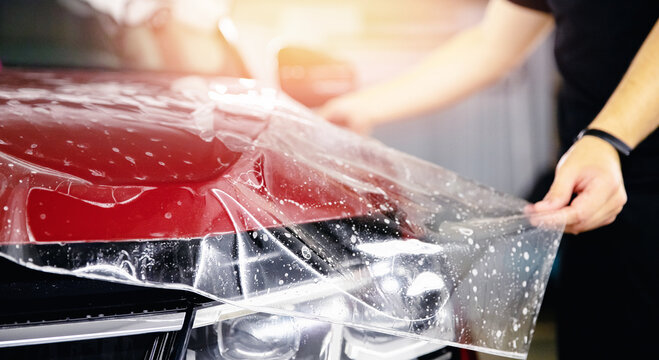
When it comes to preserving your car’s paintwork, many vehicle owners consider installing car protection film or opting for car ceramic coating. Both solutions offer excellent defense against environmental damage, scratches, and fading. However, one common question arises before applying any protective layer: should you polish your car first? The answer isn’t just a simple yes or no—it depends on your car’s condition, your expectations, and the level of finish you want to achieve.
Understanding the Basics of Paint Protection
Before diving into polishing, it’s important to understand what paint protection methods actually do. Protective solutions like films and coatings are designed to act as a barrier between your car’s paint and external elements such as UV rays, dirt, road debris, and chemical contaminants.
What Is Paint Protection Film?
Paint protection film (PPF) is a transparent, durable layer applied directly over your car’s paint. It helps prevent scratches, chips, and minor abrasions while maintaining the original color and gloss.
What Is Ceramic Coating?
Ceramic coating is a liquid polymer that chemically bonds with your car’s paint, creating a hydrophobic surface. It enhances shine, repels water, and makes cleaning easier.
While both serve similar purposes, they differ in application and durability. Regardless of which option you choose, the condition of your car’s surface plays a major role in the final result.
What Does Polishing a Car Mean?
Car polishing is the process of removing minor imperfections from the paint surface. These imperfections can include:
- Swirl marks
- Light scratches
- Oxidation
- Water spots
- Holograms from previous detailing
Polishing smooths the surface, restores gloss, and prepares the paint for further treatment. It is typically done using a polishing machine and specialized compounds.
Why Polishing Before Protection Matters
Applying protection over an imperfect surface is like sealing flaws under a glass cover. Once the protective layer is applied, those imperfections become more visible and harder to fix.
Enhances Final Appearance
Polishing ensures that your car looks its best before any protective layer is installed. Since films and coatings are transparent, they will amplify whatever is underneath—whether it’s a flawless shine or visible scratches.
Improves Adhesion
A clean, smooth surface allows better bonding. Dust, contaminants, or uneven paint can interfere with proper adhesion, reducing the effectiveness of the protection.
Long-Term Satisfaction
Once the protective layer is installed, removing it to fix imperfections can be time-consuming and costly. Polishing beforehand helps avoid future regrets.
When You Should Definitely Polish
There are situations where polishing is not just recommended—it’s essential.
Older Vehicles
If your car has been on the road for years, chances are the paint has developed swirl marks and minor scratches. Polishing restores its original finish before protection.
Visible Paint Imperfections
If you can see scratches, dullness, or uneven shine under sunlight, polishing is necessary before applying car protection film.
Pre-Owned Cars
Second-hand vehicles often come with paint imperfections from previous owners. Polishing helps bring the surface back to life before sealing it.
When Polishing Might Not Be Necessary
Polishing isn’t always required, especially in certain conditions.
Brand-New Cars
A new car fresh from the showroom may not need polishing if the paint is already in pristine condition. However, even new cars can sometimes have minor swirl marks from transportation or dealership handling.
Recently Detailed Vehicles
If your car has been professionally polished recently and remains in excellent condition, you may skip this step.
Still, a quick inspection is always a good idea before proceeding.
The Risks of Skipping Polishing
Skipping polishing might save time initially, but it can lead to long-term dissatisfaction.
Trapped Imperfections
Once protection is applied, imperfections become locked beneath the surface. Removing them later requires stripping off the protective layer.
Reduced Aesthetic Appeal
Even the best protective products cannot hide scratches or swirl marks. Instead, they often make them more noticeable under light.
Uneven Finish
Without polishing, the final finish may appear inconsistent, especially on darker-colored vehicles.
Polishing vs Paint Correction
It’s important to understand that polishing and paint correction are not exactly the same.
Basic Polishing
This involves light buffing to enhance shine and remove minor imperfections.
Paint Correction
A more intensive process that removes deeper scratches and defects using multiple stages of polishing.
For optimal results before applying car ceramic coating, many professionals recommend at least a single-stage polish, if not full paint correction.
Step-by-Step Process Before Applying Protection
Preparing your car properly ensures the best results.
Step 1: Thorough Wash
Start with a deep clean to remove dirt, grime, and contaminants.
Step 2: Clay Bar Treatment
This removes embedded particles that washing alone cannot eliminate.
Step 3: Paint Inspection
Check for scratches, swirl marks, and oxidation under proper lighting.
Step 4: Polishing
Use appropriate compounds to smooth the surface and restore shine.
Step 5: Surface Cleaning
Remove any polishing residue using a specialized cleaner.
Step 6: Apply Protection
Once the surface is perfect, proceed with installing your chosen protection.
Professional vs DIY Polishing
Many car owners wonder whether they should polish their car themselves or hire professionals.
DIY Polishing
- Cost-effective
- Requires tools and knowledge
- Risk of damaging paint if done incorrectly
Professional Polishing
- High-quality results
- Advanced tools and expertise
- Saves time and effort
If you’re planning to invest in car protection film, professional polishing is often the safer choice to ensure a flawless finish.
How Polishing Affects Durability
Polishing doesn’t just improve appearance—it also impacts how long the protection lasts.
Better Bonding
A smooth surface allows stronger adhesion, which enhances durability.
Even Coverage
Protection layers apply more evenly on polished paint, reducing weak spots.
Enhanced Longevity
Proper preparation can extend the lifespan of both films and coatings.
Common Myths About Polishing Before Protection
There are several misconceptions that can confuse car owners.
Myth 1: Protection Covers Scratches
This is false. Protective layers are transparent and do not hide imperfections.
Myth 2: New Cars Don’t Need Polishing
Even new vehicles can have minor defects that benefit from light polishing.
Myth 3: Polishing Damages Paint
When done correctly, polishing is safe and actually improves paint health.
Cost Considerations
Polishing adds an extra step, but it’s a worthwhile investment.
Short-Term Cost
You may spend more upfront for polishing services.
Long-Term Value
A flawless finish enhances the overall look and increases resale value.
Skipping polishing might seem like a cost-saving decision, but it often leads to higher expenses later.
Which Comes First: Film or Coating?
Some car owners choose to combine both protection methods.
Recommended Order
- Polish the paint
- Apply paint protection film to high-impact areas
- Apply ceramic coating over remaining surfaces
In some cases, ceramic coating can even be applied over the film for added protection and shine.
Tips for Best Results
To get the most out of your car protection process:
- Always inspect the paint under good lighting
- Choose high-quality products
- Avoid rushing the preparation stage
- Work with experienced professionals if unsure
Taking these steps ensures your car looks its absolute best.
Wrapping Up
Polishing your car before applying protection is not just an optional step—it’s often the key to achieving a flawless, long-lasting finish. Whether you’re considering car protection film or car ceramic coating, the condition of your paint determines the final outcome. While new cars or recently detailed vehicles may require minimal preparation, most cars benefit significantly from polishing.
Skipping this step can trap imperfections and reduce the visual appeal of your vehicle. On the other hand, investing time in proper preparation ensures better adhesion, improved durability, and a showroom-quality finish that lasts for years.
If you want your car to truly stand out while staying protected, polishing before applying car protection film or car ceramic coating is a smart and worthwhile decision.


