


When people ask, How does scalp condition affect Hair Transplant treatment?, the answer is more important than many realize because the health of the scalp can directly influence planning, healing, and final hair growth. For anyone considering Hair Transplant in Dubai, understanding the condition of the scalp before treatment is essential, and this is one reason why clinics such as Dynamic Clinic in Dubai often emphasize proper scalp assessment before moving ahead.
Why Scalp Health Matters Before a Hair Transplant
A hair transplant is not only about moving hair follicles from one area to another. It also depends on whether the scalp can support those grafts, heal properly, and create the right environment for healthy regrowth. If the scalp is inflamed, excessively oily, infected, scarred, or affected by chronic skin issues, the results may be less predictable.
The scalp acts as the foundation for transplanted follicles. Even if the grafts are healthy, poor scalp condition can interfere with how well they settle and grow. This is why a detailed scalp evaluation is often one of the most important steps before treatment.
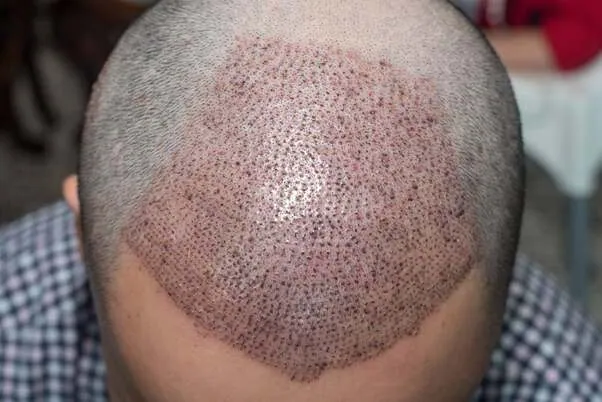
Common Scalp Conditions That Can Affect Hair Transplant Results
Not every scalp issue prevents a hair transplant, but many can influence timing, technique, and recovery.
1. Dandruff and Flaky Scalp
Mild dandruff may seem harmless, but persistent flaking can sometimes point to irritation or underlying scalp imbalance. If the scalp is actively shedding flakes or showing signs of inflammation, it may need to be treated before the procedure.
Dandruff-related concerns may include:
- Increased itching and scratching
- Temporary irritation after treatment
- Difficulty maintaining a clean scalp environment
- Greater discomfort during healing
2. Seborrheic Dermatitis
This is a common inflammatory condition that can cause redness, greasy scaling, itching, and sensitivity. In some people, it comes and goes, while in others it remains chronic.
If seborrheic dermatitis is active during a hair transplant, it can affect:
- Scalp comfort during the procedure
- Healing after graft placement
- Post-treatment hygiene
- The stability of the transplanted area
3. Psoriasis of the Scalp
Scalp psoriasis often causes thick, scaly patches and recurring inflammation. A transplant may still be possible in some cases, but only if the condition is well controlled.
An irritated scalp affected by psoriasis can make the process more complicated because the skin may be more reactive, sensitive, or prone to delayed healing.
4. Folliculitis
Folliculitis refers to inflammation or infection of the hair follicles. It may appear as small red bumps, pus-filled spots, or tender areas on the scalp.
This condition matters because a hair transplant involves working directly with follicles. If folliculitis is active, it can increase the risk of complications and may interfere with proper graft placement.
5. Scarring or Scar Tissue
Some patients have scarred areas due to injury, burns, previous surgery, or certain scalp disorders. Hair can sometimes be transplanted into scar tissue, but it requires careful planning.
Scarred scalp tissue may have:
- Reduced blood supply
- Lower flexibility
- Uneven texture
- Limited ability to support graft survival
How Scalp Condition Affects Hair Transplant Planning
A healthy-looking scalp does not always mean an ideal scalp. Texture, oil production, inflammation, sensitivity, and circulation all play a role in deciding how treatment should be approached.
Pre-Treatment Evaluation Is Essential
Before a hair transplant, the scalp is typically assessed for:
- Skin health
- Existing irritation or inflammation
- Signs of infection
- Donor area quality
- Scalp tightness or laxity
- Hair density and miniaturization
This evaluation helps determine whether treatment can proceed immediately or whether scalp preparation is needed first.
Timing May Need to Be Adjusted
In some cases, the transplant should be delayed until the scalp becomes healthier. This is not a setback. It is often a protective step that improves the chances of a better result.
A scalp that is calm, balanced, and free from active irritation is usually better prepared to support graft survival and smoother healing.
Can an Unhealthy Scalp Reduce Hair Transplant Success?
Yes, in some situations it can. The transplanted follicles rely on the scalp to provide oxygen, nutrients, and a stable healing environment. If the skin is compromised, the scalp may not respond as effectively after treatment.
Potential effects of poor scalp condition may include:
- Increased redness or irritation
- Slower healing
- Greater discomfort after the procedure
- Crusting or inflammation that lasts longer than expected
- Less favorable graft retention in some cases
This does not mean every scalp issue leads to poor outcomes. It means the condition should be managed properly before and after treatment.
Best Scalp Conditions for Hair Transplant Treatment
The ideal scalp for a hair transplant is not necessarily perfect, but it should be stable and manageable.
A transplant-friendly scalp usually has:
- Minimal inflammation
- No active infection
- Controlled oil production
- Good skin integrity
- Healthy donor hair
- No untreated chronic scalp disorder
If a patient has an existing scalp condition that is under control, they may still be a suitable candidate.
How to Prepare the Scalp Before a Hair Transplant
Scalp preparation can make a meaningful difference in treatment planning and recovery. This stage helps create the best possible environment for transplantation.
Helpful Pre-Treatment Scalp Care Habits
- Keep the scalp clean with suitable hair care products
- Avoid scratching or picking at flakes or scabs
- Manage dandruff or irritation early
- Address chronic scalp concerns before the procedure
- Follow all pre-treatment instructions carefully
- Avoid harsh chemical treatments if the scalp is already sensitive
Patients who prepare the scalp properly often experience a smoother treatment journey.
Scalp Healing After Hair Transplant: Why Condition Still Matters
Scalp condition does not stop being important after the procedure. The healing period is just as critical as the preparation stage.
After a hair transplant, the scalp needs to recover while protecting newly placed grafts. If the skin is prone to inflammation, sensitivity, or recurring flare-ups, aftercare becomes even more important.
Post-Treatment Scalp Challenges to Watch For
- Excessive itching
- Prolonged redness
- Unusual flaking
- Oily buildup
- Tender spots
- Recurring irritation
Not every reaction is a sign of a problem, but the scalp should always be monitored closely during recovery.
Is Hair Transplant Still Possible With a Scalp Condition?
In many cases, yes. Having a scalp condition does not automatically rule out treatment. What matters most is whether the issue is active, severe, and likely to interfere with healing or graft survival.
Many people with manageable scalp concerns can still move forward once their scalp is stabilized. The key is proper diagnosis, timing, and preparation.
Cases That May Need Extra Caution
A more cautious approach may be needed if the scalp has:
- Ongoing inflammation
- Active infection
- Autoimmune-related scalp damage
- Thick scarring
- Recurrent follicle irritation
- Severe sensitivity
These cases often require a more individualized treatment plan.
Why This Matters for Patients in Dubai
Dubai’s climate can sometimes contribute to scalp dryness, sweat buildup, oil imbalance, and environmental exposure. These factors may affect scalp comfort and should not be ignored when planning a hair restoration journey.
Anyone researching Hair Transplant in Dubai should pay close attention not only to hair loss patterns but also to scalp quality. A good transplant plan should always consider the skin beneath the hair, not just the visible thinning areas.
Conclusion
If you are wondering how does scalp condition affect Hair Transplant treatment, the short answer is that it can influence nearly every stage, from candidacy and planning to healing and long-term hair growth. A healthy scalp gives transplanted follicles a stronger environment to settle and grow, while an unhealthy scalp may need attention first. For better hair restoration outcomes, scalp health should never be treated as a minor detail. It is one of the foundations of a well-planned hair transplant journey.


