


A glycolic acid peel is one of the most widely used chemical exfoliation treatments in skincare, but many people wonder what actually determines how strong or effective the peel will be. When exploring treatments such as Glycolic Acid Peel in Dubai, understanding peel strength is essential because it influences the level of exfoliation, skin renewal, and overall results. Skincare centers like Dynamic Clinic in Dubai often highlight the importance of selecting the right peel strength based on skin condition, treatment goals, and professional assessment.
Understanding Glycolic Acid and How It Works
Glycolic acid belongs to the alpha hydroxy acid (AHA) family and is derived from sugarcane. Its molecular structure is smaller than most other AHAs, allowing it to penetrate the skin effectively and break down the bonds that hold dead skin cells together.
This exfoliating process encourages the skin to shed its outermost layer, revealing fresher and smoother skin underneath. Over time, consistent treatments may help improve skin texture, reduce the appearance of dullness, and support a brighter complexion.
In professional skincare environments, glycolic acid peels are formulated in varying strengths, allowing practitioners to tailor the treatment according to different skin needs.
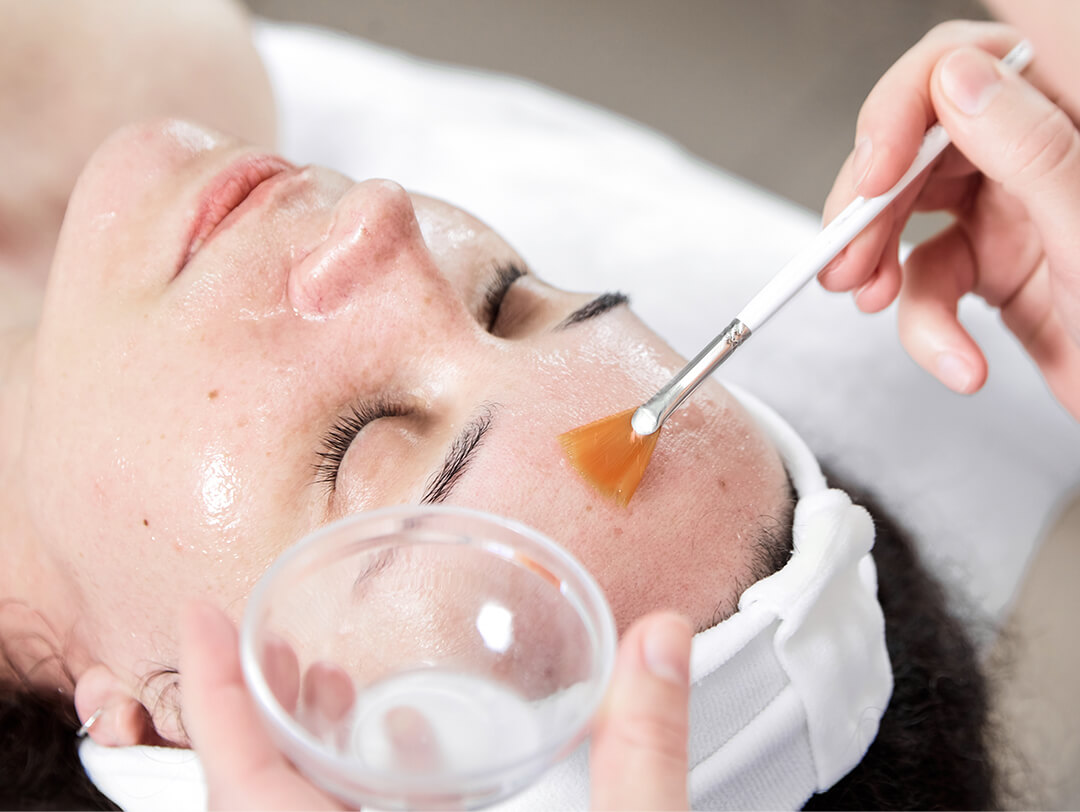
Key Factors That Define the Strength of a Glycolic Acid Peel
The strength of a glycolic acid peel is not determined by a single factor. Instead, several elements work together to influence how powerful the treatment will be.
1. Acid Concentration
The percentage of glycolic acid in the formulation is one of the most significant indicators of peel strength. Higher concentrations typically provide deeper exfoliation.
Common concentration ranges include:
-
Low strength (20–30%) – Mild exfoliation, often used for beginners or sensitive skin
-
Moderate strength (35–50%) – Suitable for addressing uneven texture and mild pigmentation
-
High strength (60–70%) – Professional-level peels designed for more noticeable resurfacing
Higher concentrations increase the peel’s ability to penetrate the skin, which can lead to stronger exfoliation and more visible results.
2. pH Level of the Peel
Another crucial factor is the pH level of the formulation. Even if two peels have the same glycolic acid concentration, the one with a lower pH will generally be stronger.
Lower pH levels allow the acid to remain more active, meaning it can penetrate the skin more effectively. This increases the exfoliating power of the peel and may enhance its ability to remove dead skin cells.
Professionally formulated peels are carefully balanced to ensure the right combination of concentration and pH for safe and effective treatment.
3. Duration of Application
How long the peel stays on the skin significantly affects its strength and impact. A peel left on the skin for a longer period allows the acid more time to interact with the skin’s surface.
Application time may vary depending on:
-
Skin sensitivity
-
Peel concentration
-
Desired treatment outcome
Even a mild peel can produce stronger effects if the exposure time is extended. For this reason, professional supervision is often recommended for higher-strength treatments.
4. Skin Preparation Before the Peel
Pre-treatment preparation can influence how the skin reacts to a glycolic acid peel. When the skin is properly prepared, the acid may penetrate more evenly and effectively.
Preparation methods may include:
-
Gentle exfoliation before treatment
-
Using mild AHAs in skincare routines
-
Avoiding heavy creams or occlusive products
Proper preparation helps create a balanced environment where the peel can work efficiently without unnecessary irritation.
5. Neutralization Process
The strength of a glycolic acid peel is also controlled by the neutralization step. Glycolic acid remains active on the skin until it is neutralized or removed.
Professional peels are often neutralized using specialized solutions that stop the acid’s activity immediately. This step prevents the peel from continuing to penetrate deeper layers of the skin.
Without timely neutralization, even a moderate peel could become significantly stronger than intended.
How Skin Type Influences Peel Strength
Every individual’s skin reacts differently to chemical exfoliation. Factors such as oil production, sensitivity, and skin thickness influence how strong a peel feels and how the skin responds.
Skin considerations include:
-
Sensitive skin may react strongly even to lower concentrations
-
Oily or thicker skin may tolerate higher-strength peels
-
Dry skin may require milder formulations to avoid excessive irritation
Customized treatments are often designed with these characteristics in mind to ensure the peel strength matches the skin’s tolerance.
Benefits of Choosing the Right Glycolic Acid Peel Strength
Selecting the appropriate peel strength helps maximize results while maintaining skin comfort and safety.
Potential advantages include:
-
Improved skin texture and smoothness
-
Brighter and more even-looking skin tone
-
Reduction in dullness and surface buildup
-
Enhanced absorption of skincare products
Balanced peel strength ensures effective exfoliation without overwhelming the skin barrier.
Why Professional Guidance Matters
While glycolic acid peels are widely available, professional treatments offer a controlled environment where peel strength can be adjusted according to individual skin needs.
Professional application typically includes:
-
Skin analysis before treatment
-
Customized acid concentration
-
Controlled exposure time
-
Immediate neutralization if required
These factors help maintain the balance between effectiveness and skin safety.
Common Misconceptions About Peel Strength
Many people assume that stronger peels always produce better results, but this is not always the case.
Important considerations include:
-
Stronger peels may increase irritation if not suited to the skin type
-
Consistent moderate treatments can deliver gradual improvement
-
Overly aggressive exfoliation can disrupt the skin barrier
Effective skincare often focuses on gradual improvement rather than extreme treatments.
Conclusion
The strength of a glycolic acid peel is determined by several interconnected factors, including acid concentration, pH level, application time, skin preparation, and neutralization. These elements work together to control how deeply the peel exfoliates the skin and how the skin responds to the treatment. Understanding these variables helps individuals make informed decisions when considering treatments like a Glycolic Acid Peel in Dubai, ensuring that the chosen peel strength aligns with their skin type and skincare goals while maintaining healthy, balanced skin.


